

Leadership through Real-World Engagement in Japan
Explore your interests, engage with professionals, and translate experience into future academic and career direction
Students examine leadership through direct engagement with people, industries, and communities across Osaka and Kyoto. Through guided inquiry and applied engagement with professionals, participants observe how responsibility, collaboration, and value creation operate in real contexts. The program supports the development of agency by enabling students to explore their interests, test ideas, and clearly articulate their emerging direction.
Program Overview
Location: Osaka & Kyoto, Japan
Length: 10–14 days
The TABIBITO Leadership Program examines leadership through structured inquiry and real-world engagement. Rather than focusing on abstract theory, students observe and experience how responsibility, collaboration, and value creation operate in real contexts through cultural exploration and interaction with practitioners across multiple fields. Through structured reflection and guided discussion, participants identify their interests and perspectives, and begin to articulate how these can inform future academic and professional decisions.
Program Structure
This program follows a structured progression from exploration to application, enabling students to develop agency in their learning through inquiry and active engagement.
Phase 1: Inquiry Quest
Students begin the program by exploring their interests and perspectives through cultural context and guided inquiry across Osaka and Kyoto. Through observation exercises, engagement with professionals, and structured reflection, participants examine their motivations, strengths, and areas of curiosity.
This phase establishes the foundation for the program, enabling students to develop agency by identifying themes and questions they will carry forward into the next stage.
Cultural exploration and observation exercises
Engagement with local professionals and community members
Structured reflection sessions
Team-based challenges and discussions
Phase 2: Value Creation Quest
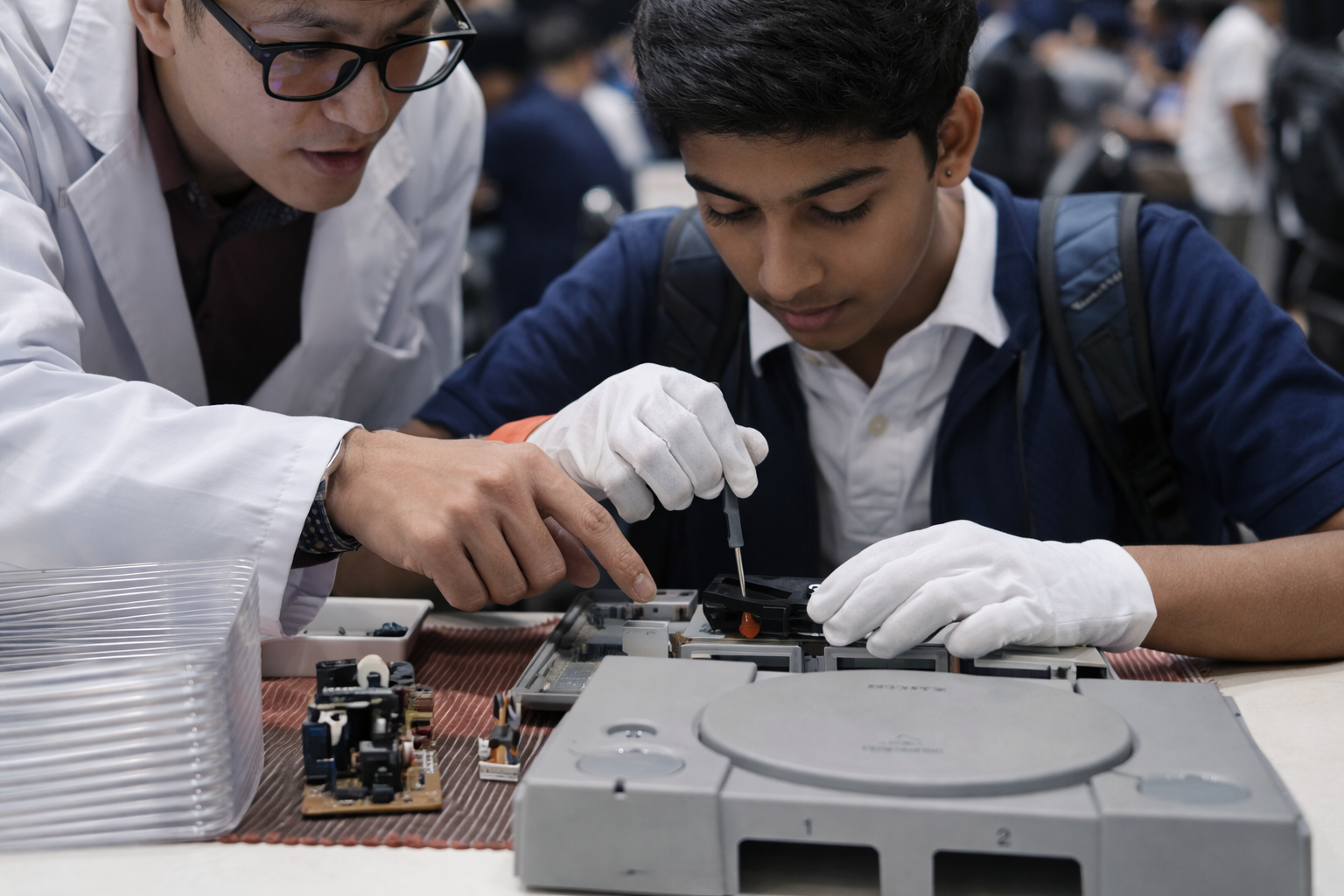
In the second phase, students work with experienced professionals from leading industries in Japan. Through applied workshops and collaborative activities, participants test ideas and interests identified during Phase 1.
Students apply inquiry, creativity, and initiative as they examine how different fields approach problem-solving, responsibility, and value creation. This phase emphasizes experimentation, system thinking, and the continued development of agency through action.
Learning Synthesis
At the end of the program, students participate in structured learning synthesis sessions that consolidate insights developed across both phases. Through guided reflection and discussion, participants articulate key learnings from their inquiry and engagement.
Students translate these into clear statements of their interests, perspectives, and potential future directions. This process strengthens their ability to communicate their thinking and supports academic planning, university applications, and ongoing exploration.
Six Master Pathways
During Phase 2, students participate in workshops led by professionals across multiple fields. Each pathway is framed by a “Question of Inquiry” that shapes the session and encourages students to examine different perspectives on leadership, responsibility, and value creation.
| Pathway | Question of Inquiry |
|---|---|
| Medical & Care | What does it mean to live for others? |
| Business | What is value, and how is it delivered? |
| Engineering | How is the world designed? |
| Shokunin (Craftsmanship) | What does it mean to devote time to one thing? |
| Creator (Arts & Expression) | How does the world appear through my eyes? |
| Social Design | What are happiness and fairness in society? |
Students engage with these questions through applied sessions and dialogue with leading professionals, gaining insight into their approaches, methods, and perspectives.
Academic Alignment and Educational Value
The program complements major international secondary education frameworks by encouraging inquiry, reflection, and independent thinking.
Theory of Knowledge (TOK): exploring different perspectives and knowledge systems
CAS (Creativity, Activity, Service): experiential engagement and reflection
Extended Essay preparation: developing research interests and inquiry questions
Inquiry-based learning and critical thinking
Independent exploration of ideas and interests
Global perspectives and intercultural understanding
Experiential and project-based learning
Development of student agency and leadership initiative
Personal growth relevant to college application narratives
Students return with documented reflections and experiences that can support academic exploration and future planning.
Learning Outcome
By the end of the program, students are expected to develop:
Clear articulation of personal interests and perspectives through inquiry, reflection, and cross-cultural engagement
Stronger critical thinking and intellectual curiosity through exposure to diverse industries and approaches
Confidence in expressing ideas and perspectives through guided discussion and learning synthesis
A stronger sense of agency in shaping their academic, career, and personal direction
Student Safety and Program Management
Student wellbeing and operational reliability are central to the program.
- 24/7 Supervision
Students are accompanied by trained facilitators throughout the program. - Low Staff-to-Student Ratio
Small group sizes ensure close supervision and personalized support. - Professional Logistical Coordination
Accommodation, transportation, and scheduling are managed by the TABIBITO team to ensure a smooth and safe experience.
Contact us
TABIBITO is a customizable program tailored to each school’s mission, learning goals, student development priorities, and the specific challenges students face. Please contact us if you have any questions or requests.
Leadership through Real-World Engagement in Japan
Explore your interests, engage with professionals, and translate experience into future academic and career direction
Students examine leadership through direct engagement with people, industries, and communities across Osaka and Kyoto. Through guided inquiry and applied engagement with professionals, participants observe how responsibility, collaboration, and value creation operate in real contexts. The program supports the development of agency by enabling students to explore their interests, test ideas, and clearly articulate their emerging direction.

Program Overview
Location: Osaka & Kyoto, Japan
Length: 10–14 days
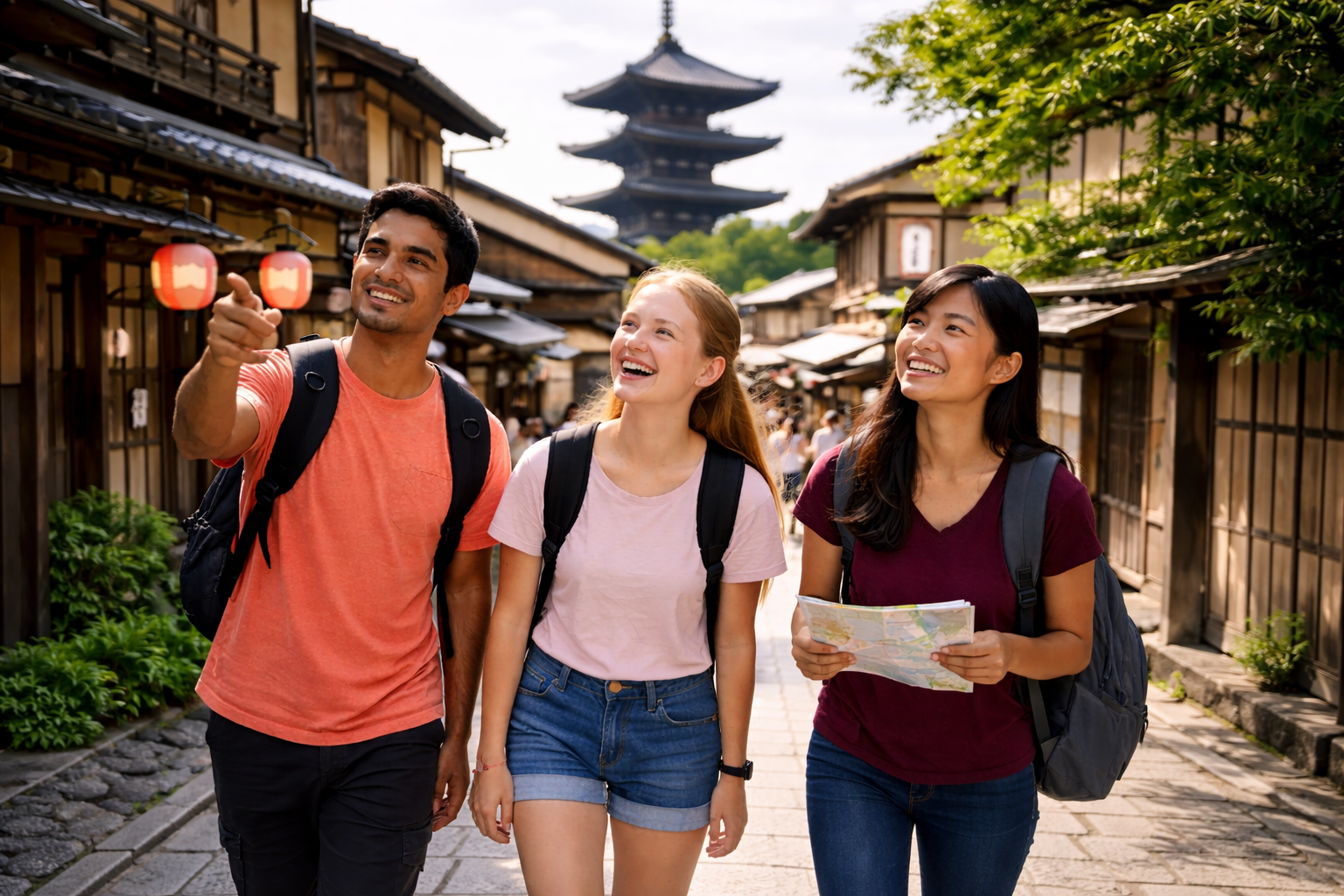
The TABIBITO Leadership Program examines leadership through structured inquiry and real-world engagement. Rather than focusing on abstract theory, students observe and experience how responsibility, collaboration, and value creation operate in real contexts through cultural exploration and interaction with practitioners across multiple fields. Through structured reflection and guided discussion, participants identify their interests and perspectives, and begin to articulate how these can inform future academic and professional decisions.


Program Structure
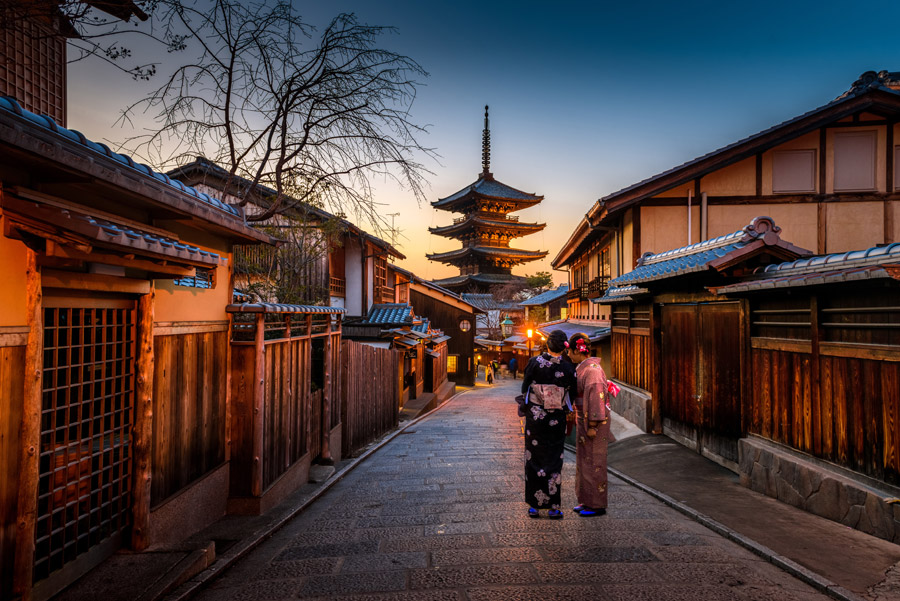
This program follows a structured progression from exploration to application, enabling students to develop agency in their learning through inquiry and active engagement.
Phase 1: Inquiry Quest
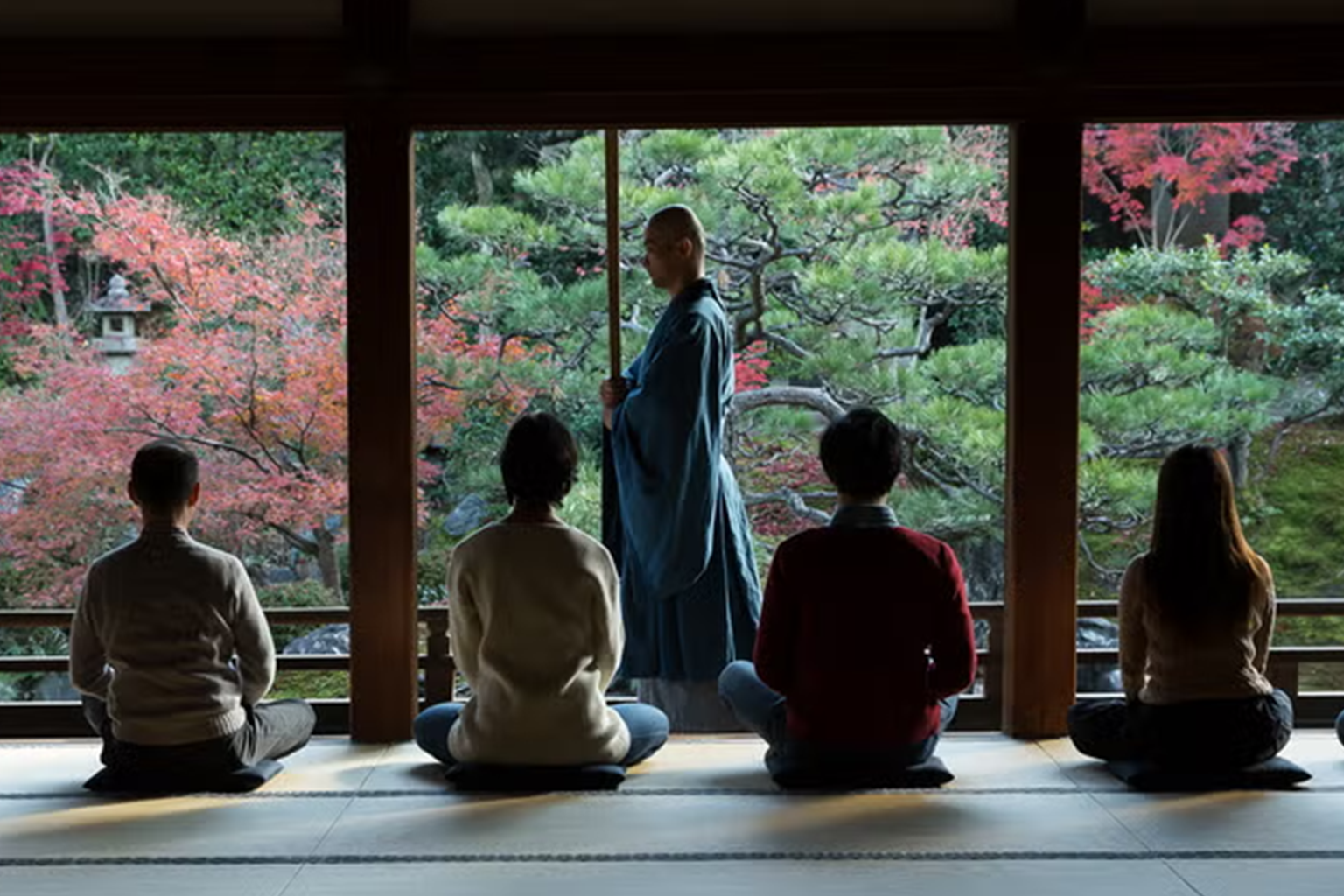
Students begin the program by exploring their interests and perspectives through cultural context and guided inquiry across Osaka and Kyoto. Through observation exercises, engagement with professionals, and structured reflection, participants examine their motivations, strengths, and areas of curiosity.
This phase establishes the foundation for the program, enabling students to develop agency by identifying themes and questions they will carry forward into the next stage.
Cultural exploration and observation exercises
Engagement with local professionals and community members
Structured reflection sessions
Team-based challenges and discussions


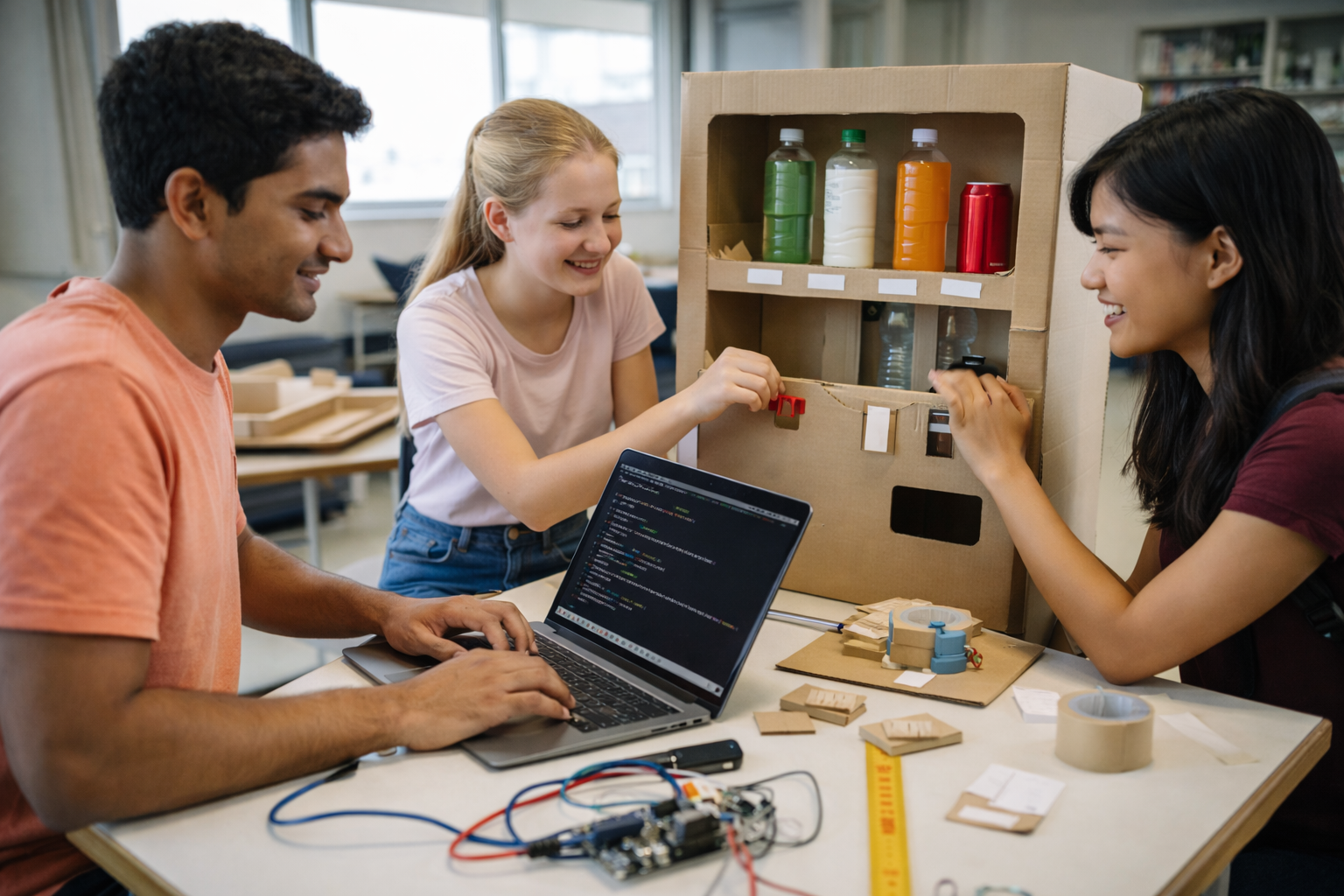
Phase 2: Value Creation Quest
In the second phase, students work with experienced professionals from leading industries in Japan. Through applied workshops and collaborative activities, participants test ideas and interests identified during Phase 1.
Students apply inquiry, creativity, and initiative as they examine how different fields approach problem-solving, responsibility, and value creation. This phase emphasizes experimentation, system thinking, and the continued development of agency through action.


Learning Synthesis
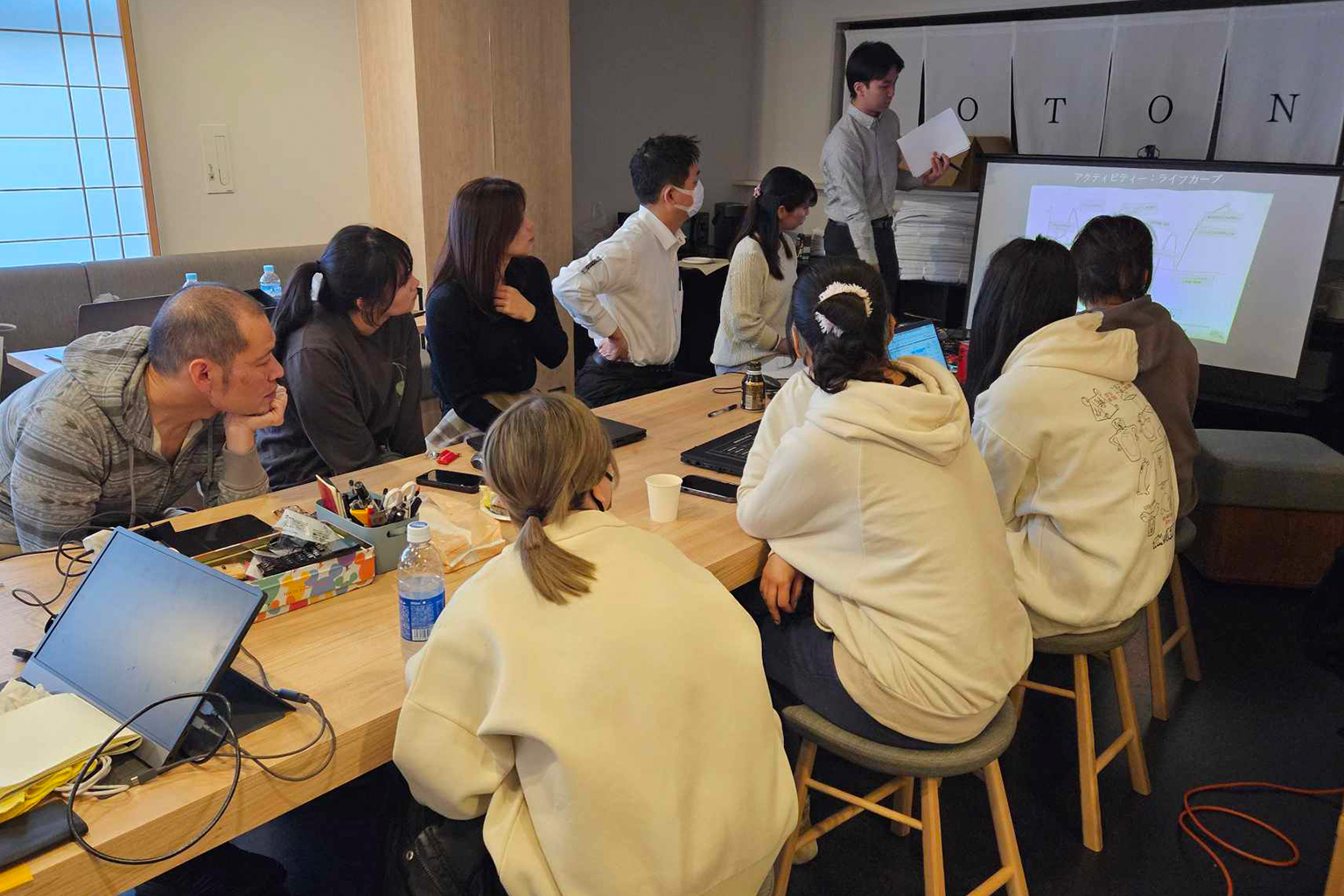
At the end of the program, students participate in structured learning synthesis sessions that consolidate insights developed across both phases. Through guided reflection and discussion, participants articulate key learnings from their inquiry and engagement.
Students translate these into clear statements of their interests, perspectives, and potential future directions. This process strengthens their ability to communicate their thinking and supports academic planning, university applications, and ongoing exploration.

Six Master Pathways
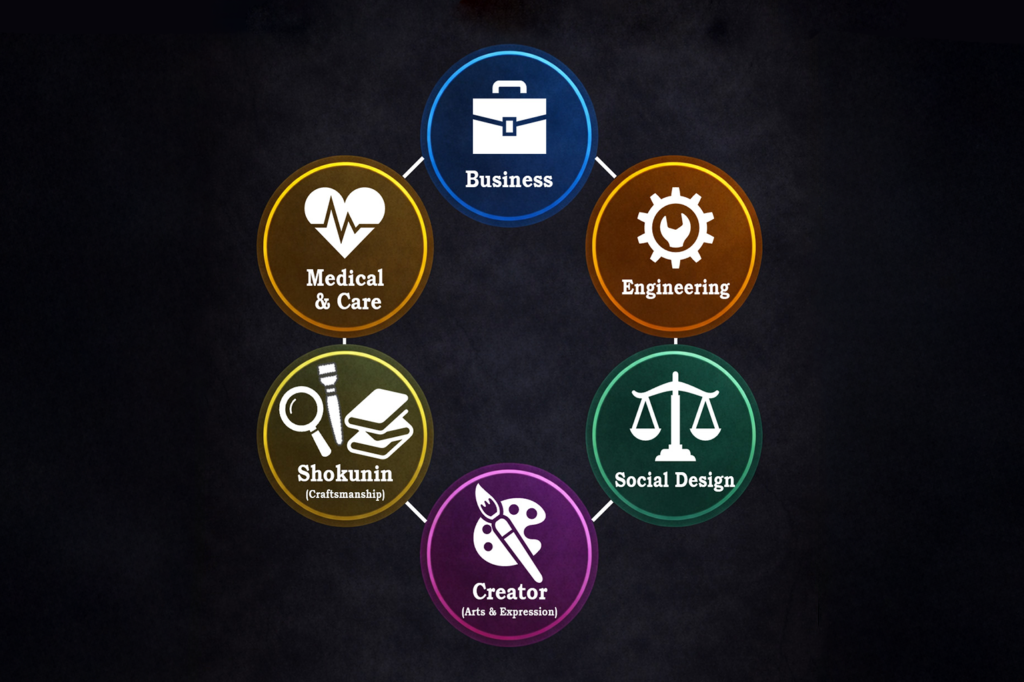
During Phase 2, students participate in workshops led by professionals across multiple fields. Each pathway is framed by a “Question of Inquiry” that shapes the session and encourages students to examine different perspectives on leadership, responsibility, and value creation.
| Pathway | Question of Inquiry |
|---|---|
| Medical & Care | What does it mean to live for others? |
| Business | What is value, and how is it delivered? |
| Engineering | How is the world designed? |
| Shokunin (Craftsmanship) | What does it mean to devote time to one thing? |
| Creator (Arts & Expression) | How does the world appear through my eyes? |
| Social Design | What are happiness and fairness in society? |
Students engage with these questions through applied sessions and dialogue with leading professionals, gaining insight into their approaches, methods, and perspectives.
Academic Alignment and Educational Value
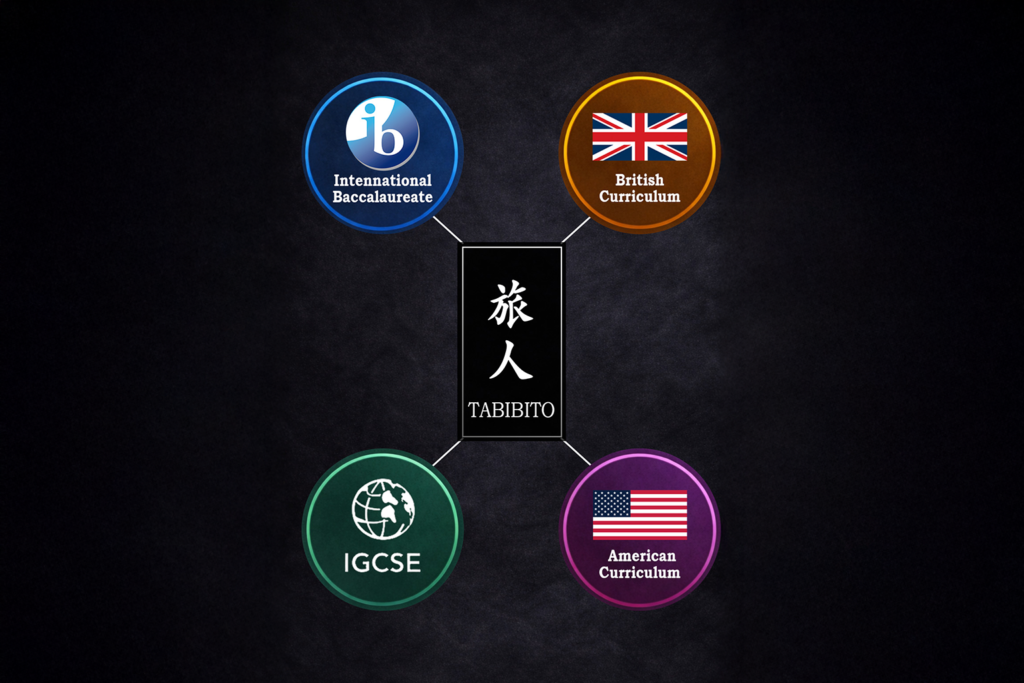
The program complements major international secondary education frameworks by encouraging inquiry, reflection, and independent thinking.
Theory of Knowledge (TOK): exploring different perspectives and knowledge systems
CAS (Creativity, Activity, Service): experiential engagement and reflection
Extended Essay preparation: developing research interests and inquiry questions
Inquiry-based learning and critical thinking
Independent exploration of ideas and interests
Global perspectives and intercultural understanding
Experiential and project-based learning
Development of student agency and leadership initiative
Personal growth relevant to college application narratives
Students return with documented reflections and experiences that can support academic exploration and future planning.
Learning Outcome
By the end of the program, students are expected to develop:
Clear articulation of personal interests and perspectives through inquiry, reflection, and cross-cultural engagement
Stronger critical thinking and intellectual curiosity through exposure to diverse industries and approaches
Confidence in expressing ideas and perspectives through guided discussion and learning synthesis
A stronger sense of agency in shaping their academic, career, and personal direction
Student Safety and Program Management
Student wellbeing and operational reliability are central to the program.
- 24/7 Supervision
Students are accompanied by trained facilitators throughout the program. - Low Staff-to-Student Ratio
Small group sizes ensure close supervision and personalized support. - Professional Logistical Coordination
Accommodation, transportation, and scheduling are managed by the TABIBITO team to ensure a smooth and safe experience.
Contact us
TABIBITO is a customizable program tailored to each school’s mission, learning goals, student development priorities, and the specific challenges students face. Please contact us if you have any questions or requests.