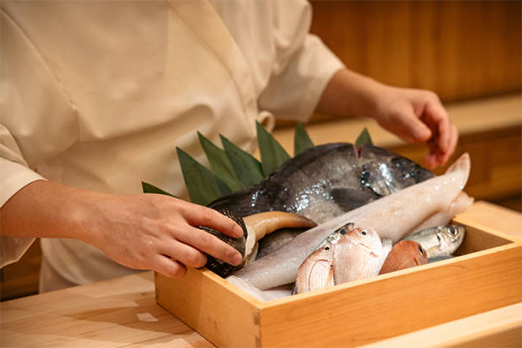
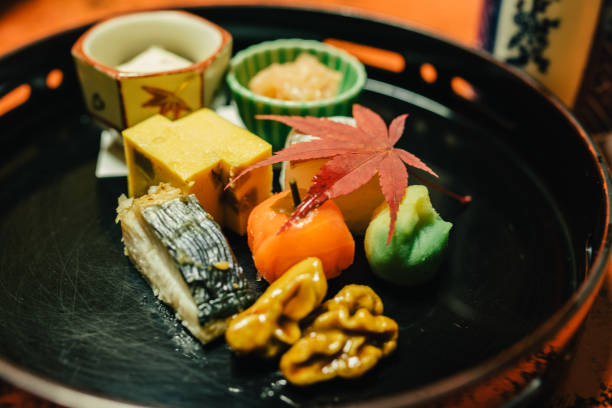

From Source to Plate—Experience the Full Story of Japanese Cuisine
The TABIBITO Culinary program is designed to extend formal culinary education into real-world, high-level culinary environments.
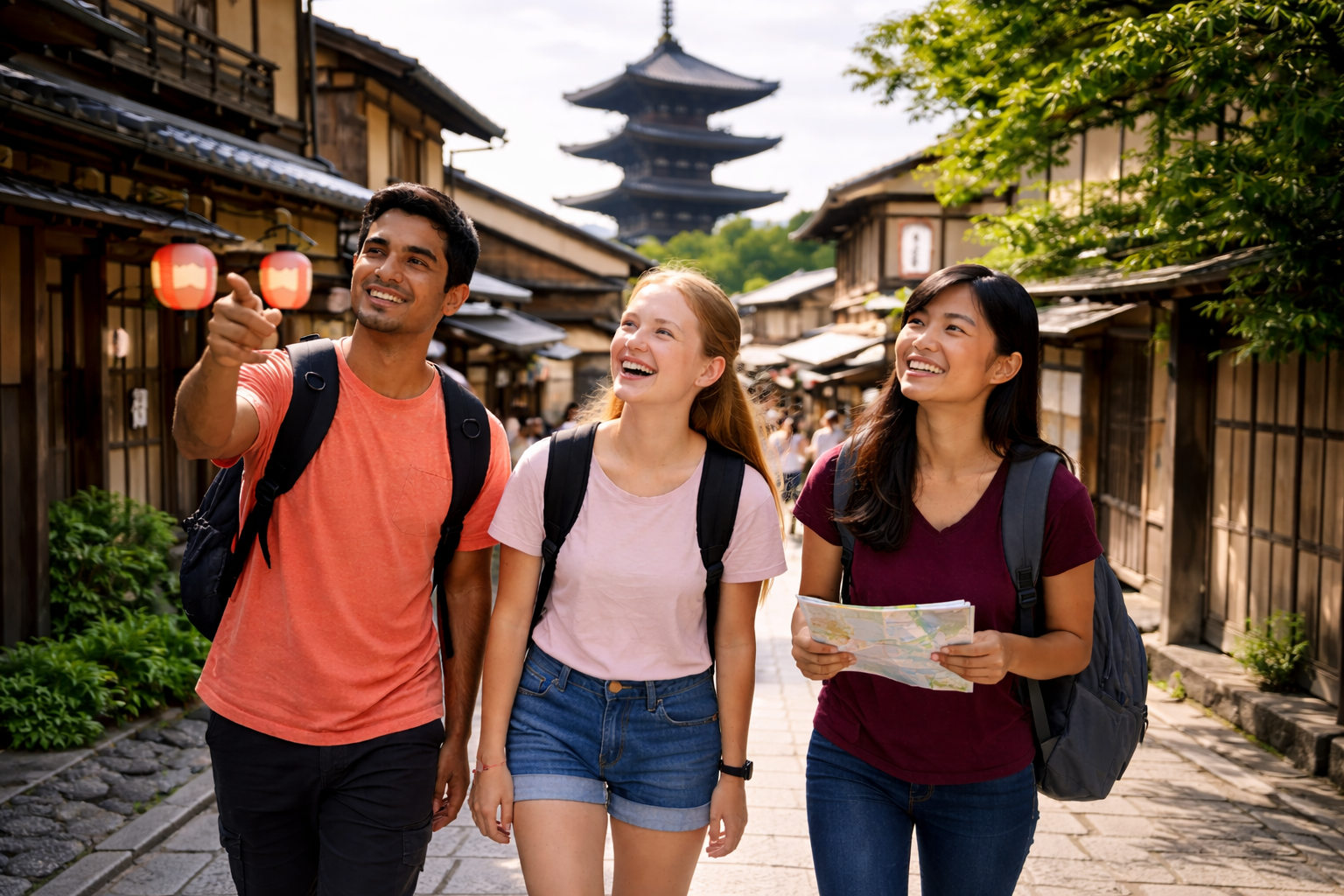
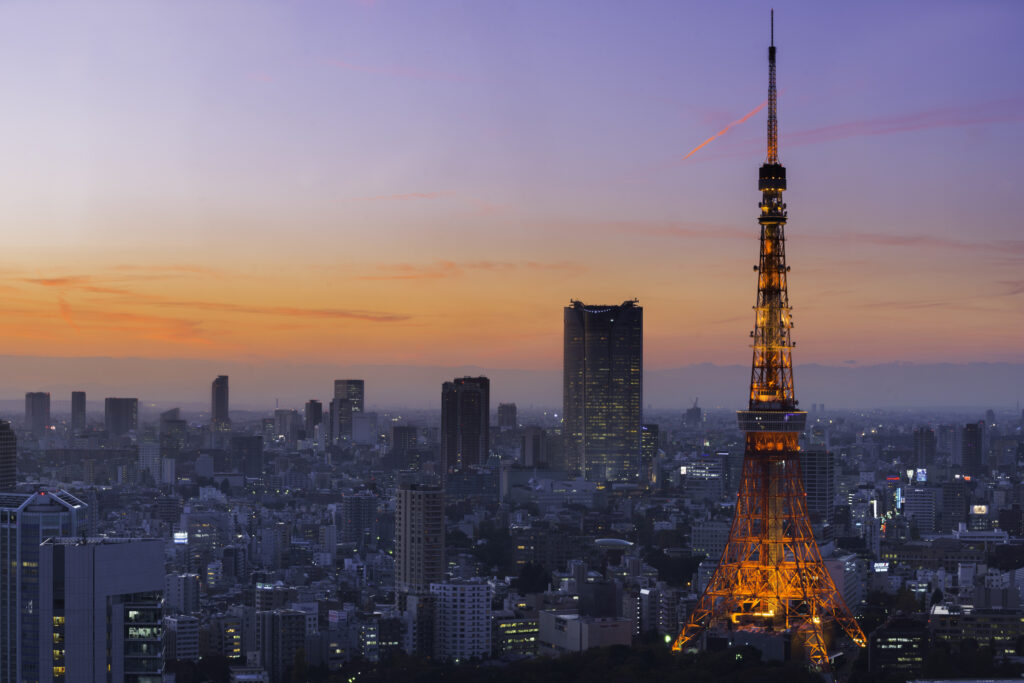
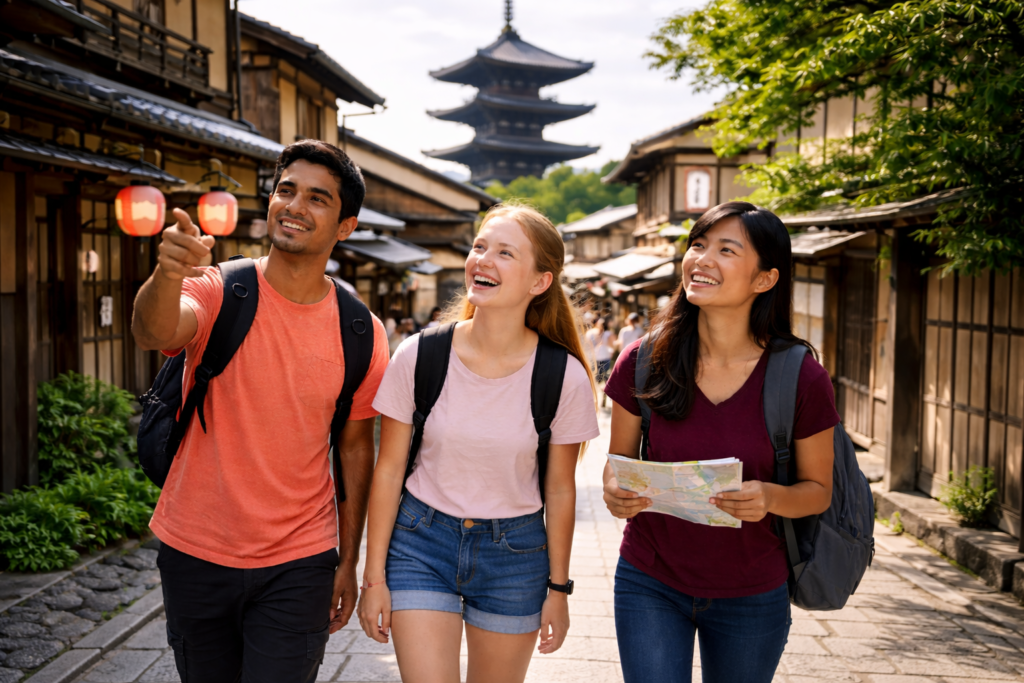
Based in Kyoto and Tokyo, students engage directly with Michelin-level chefs and leading producers to understand how cuisine is executed, sourced, and refined at a professional standard.
While grounded in Japan, the program is not focused on teaching Japanese cuisine as a set of techniques. Instead, it introduces students to core culinary principles—such as respect for ingredients, seasonality, and precision—that are applicable across all cuisines and professional kitchens.
Program Overview
Location: Kyoto & Tokyo, Japan
Length: 10 days
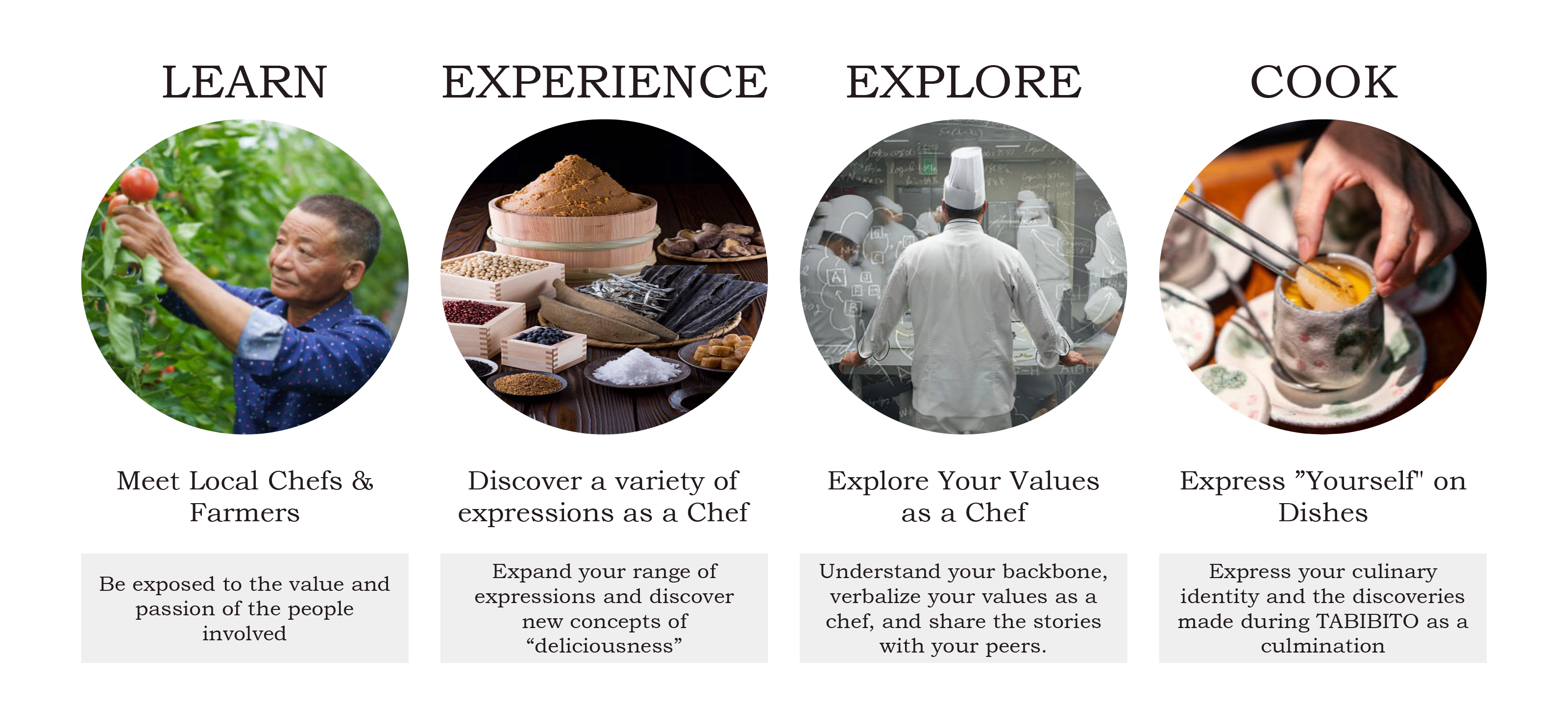
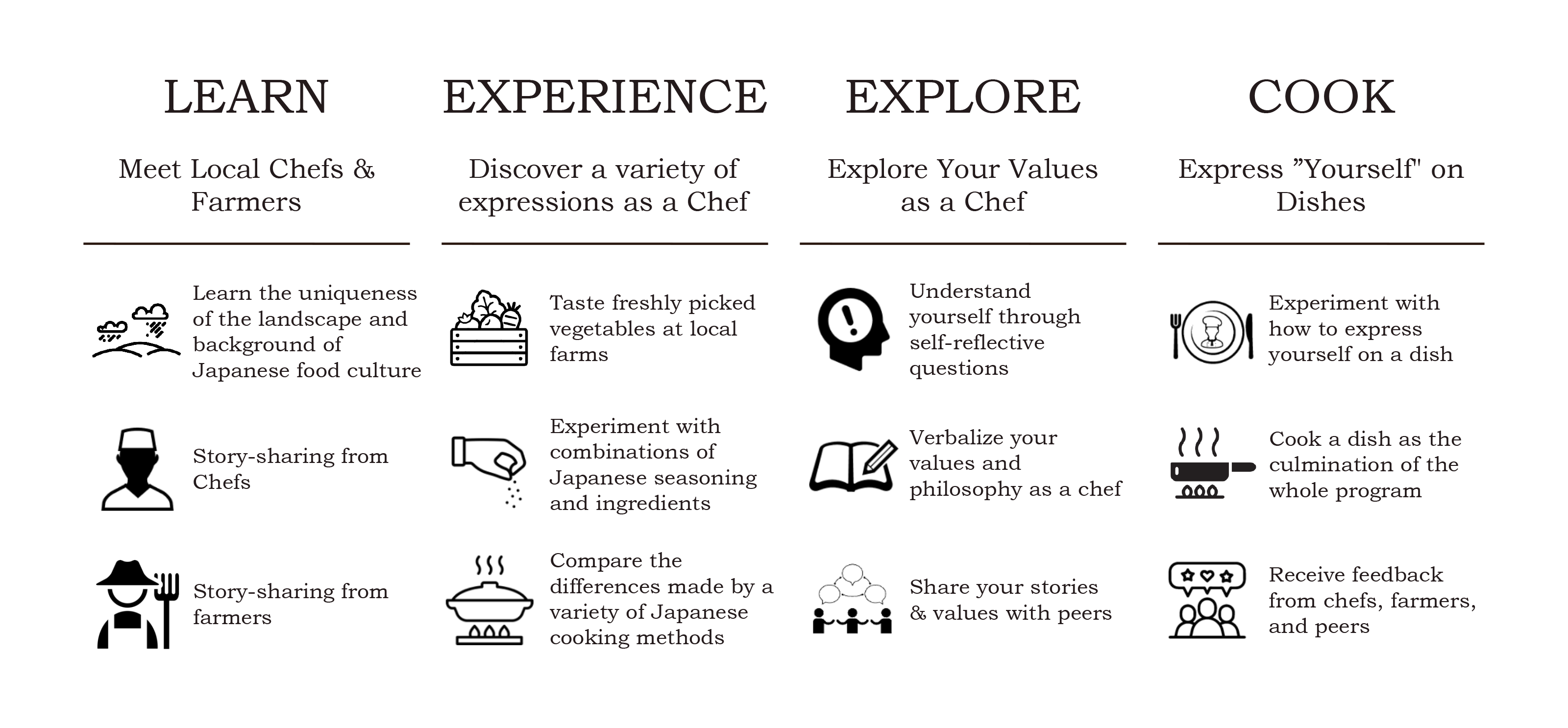
A field-based program combining chef sessions, producer workshops, and site visits. Students gain direct exposure to high-level culinary environments and ingredient-driven practices.
Program Experience
Students learn through direct access and interaction:
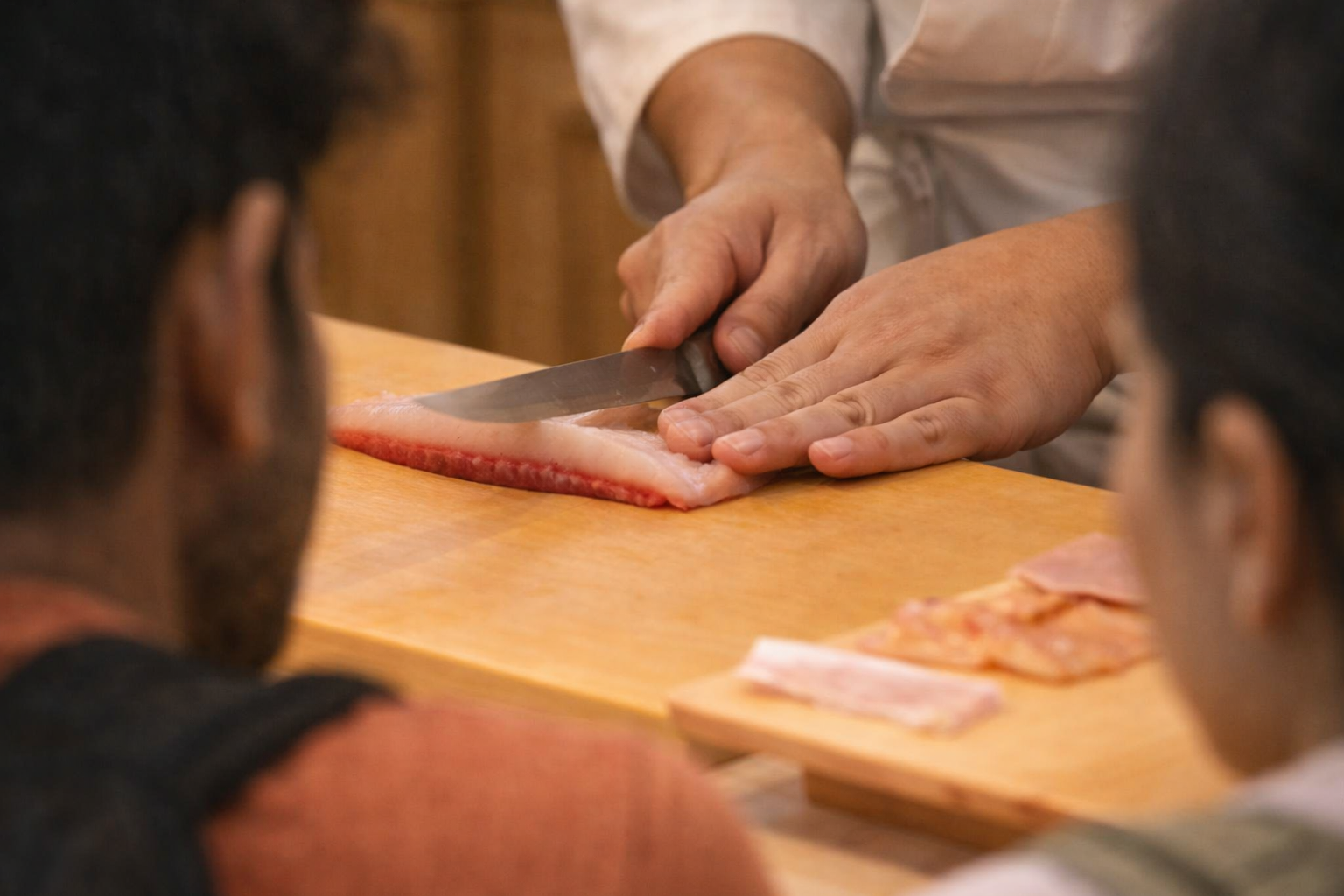
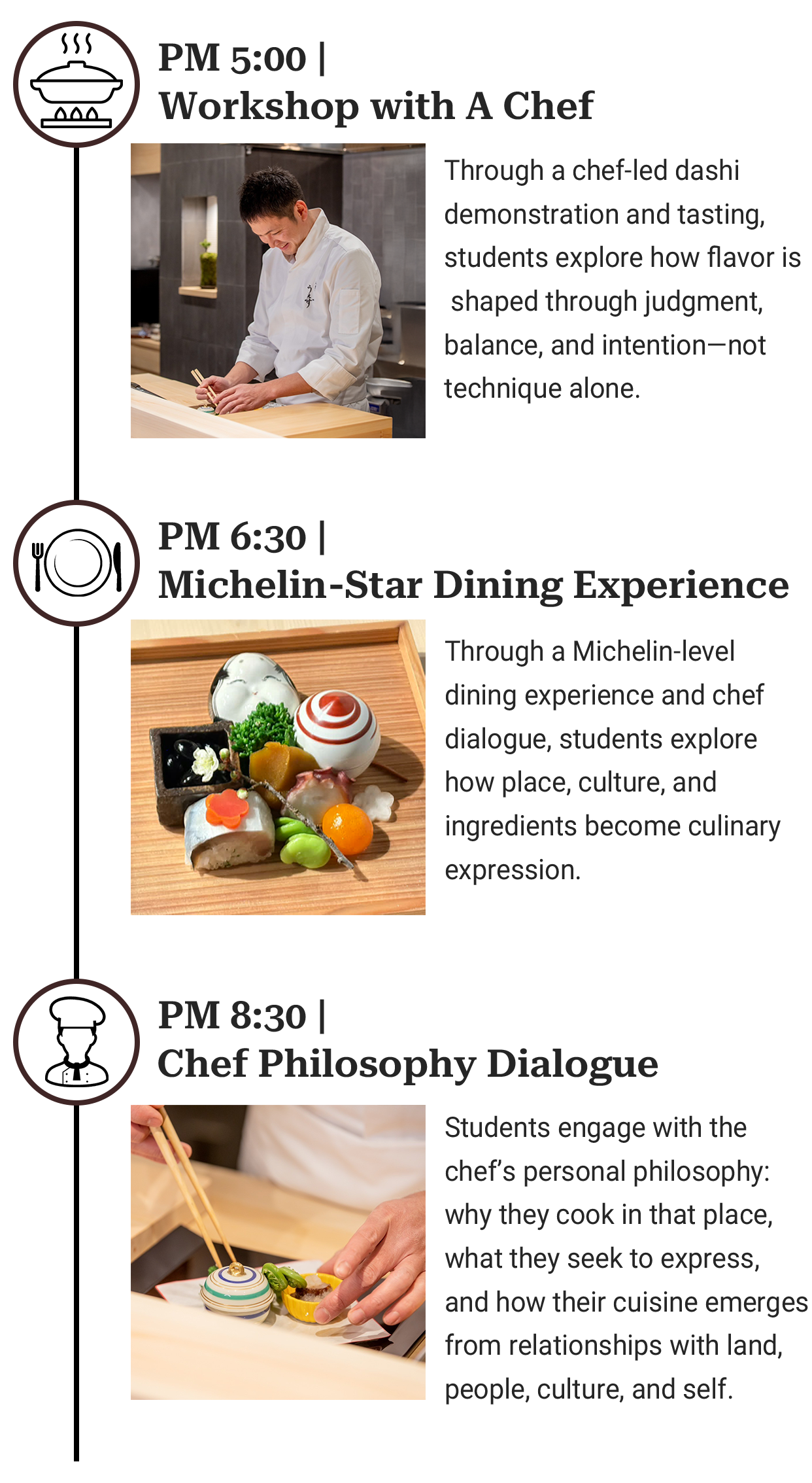
Sessions with Michelin-star chefs and a Gault & Millau-awarded chef
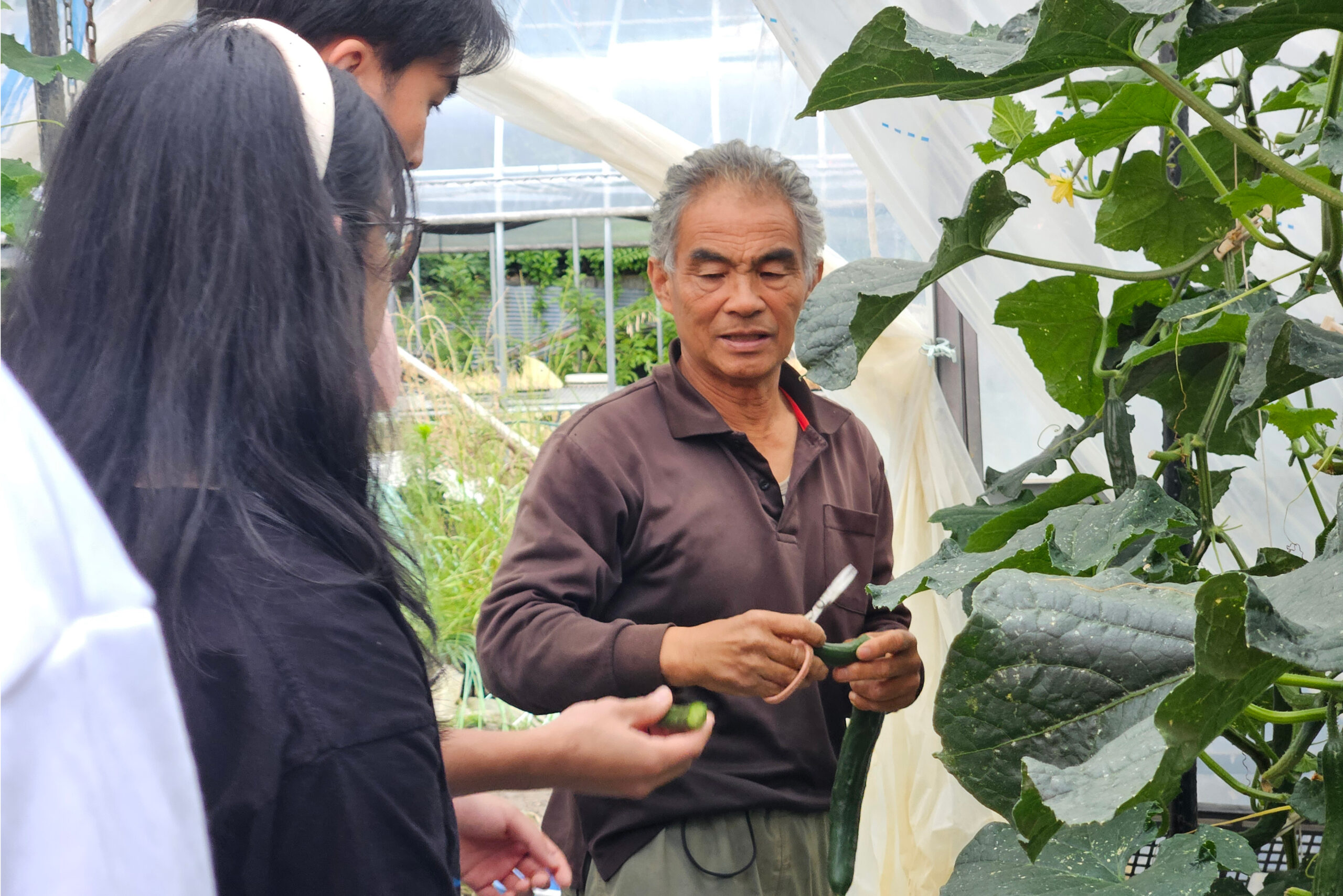
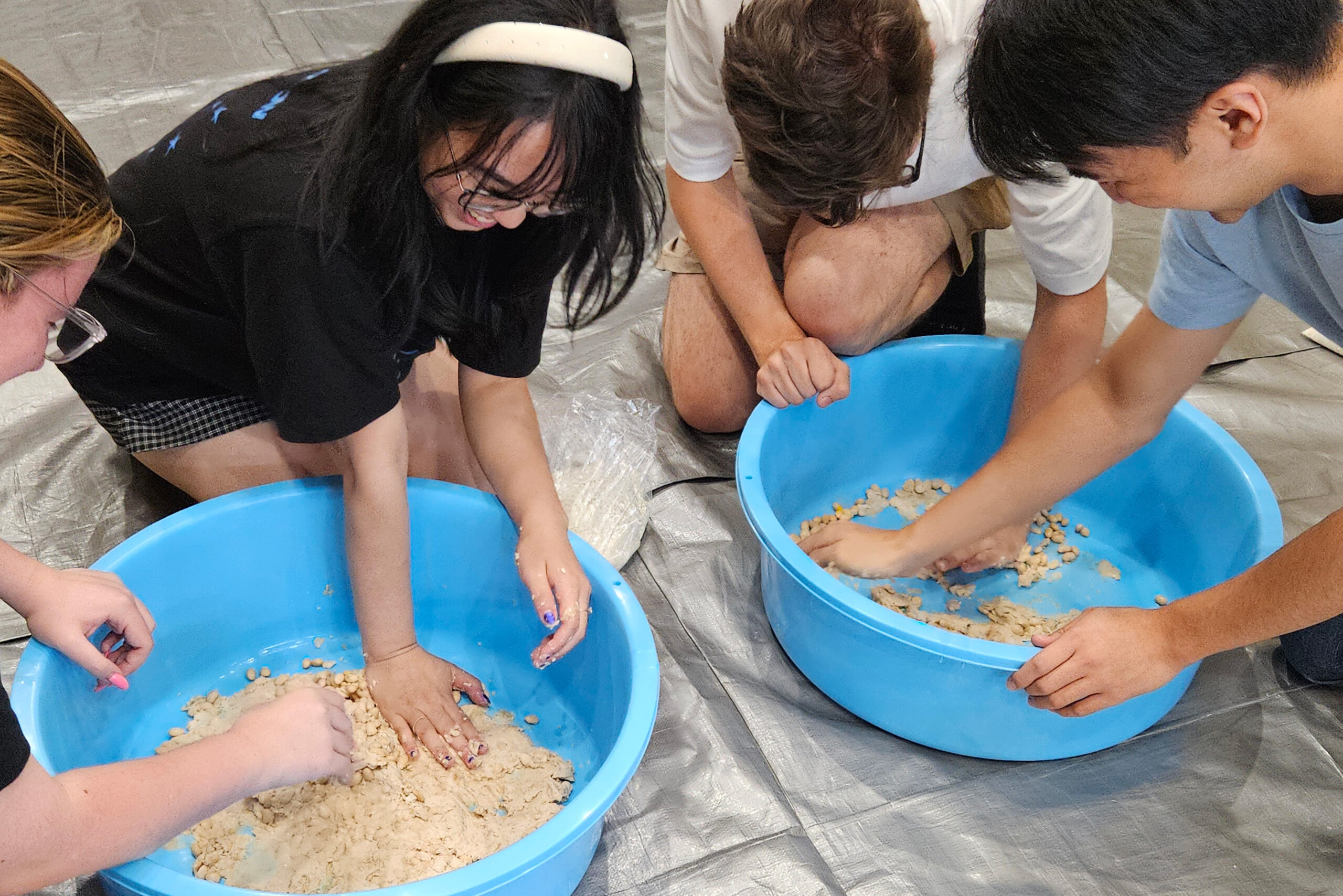
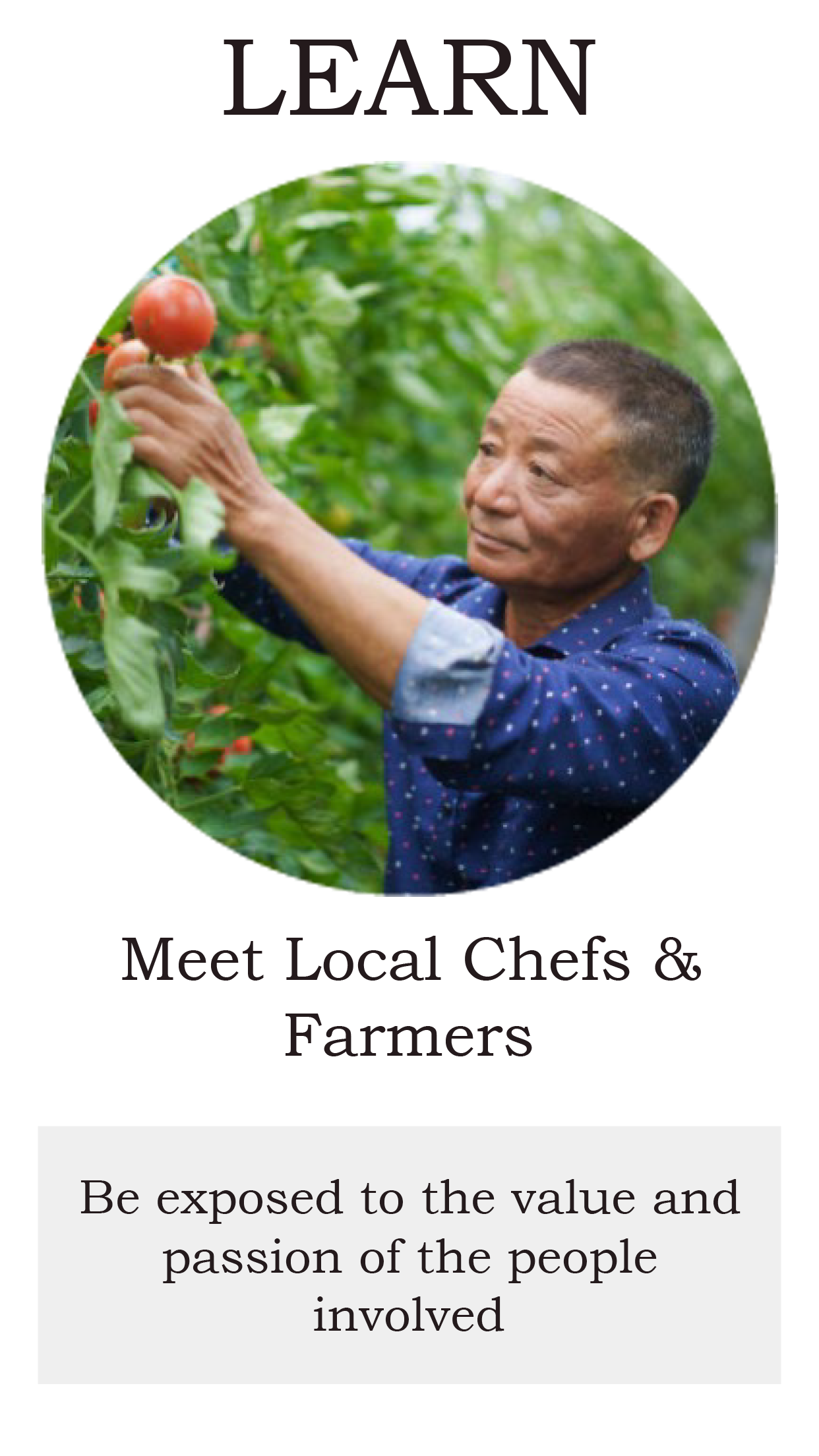
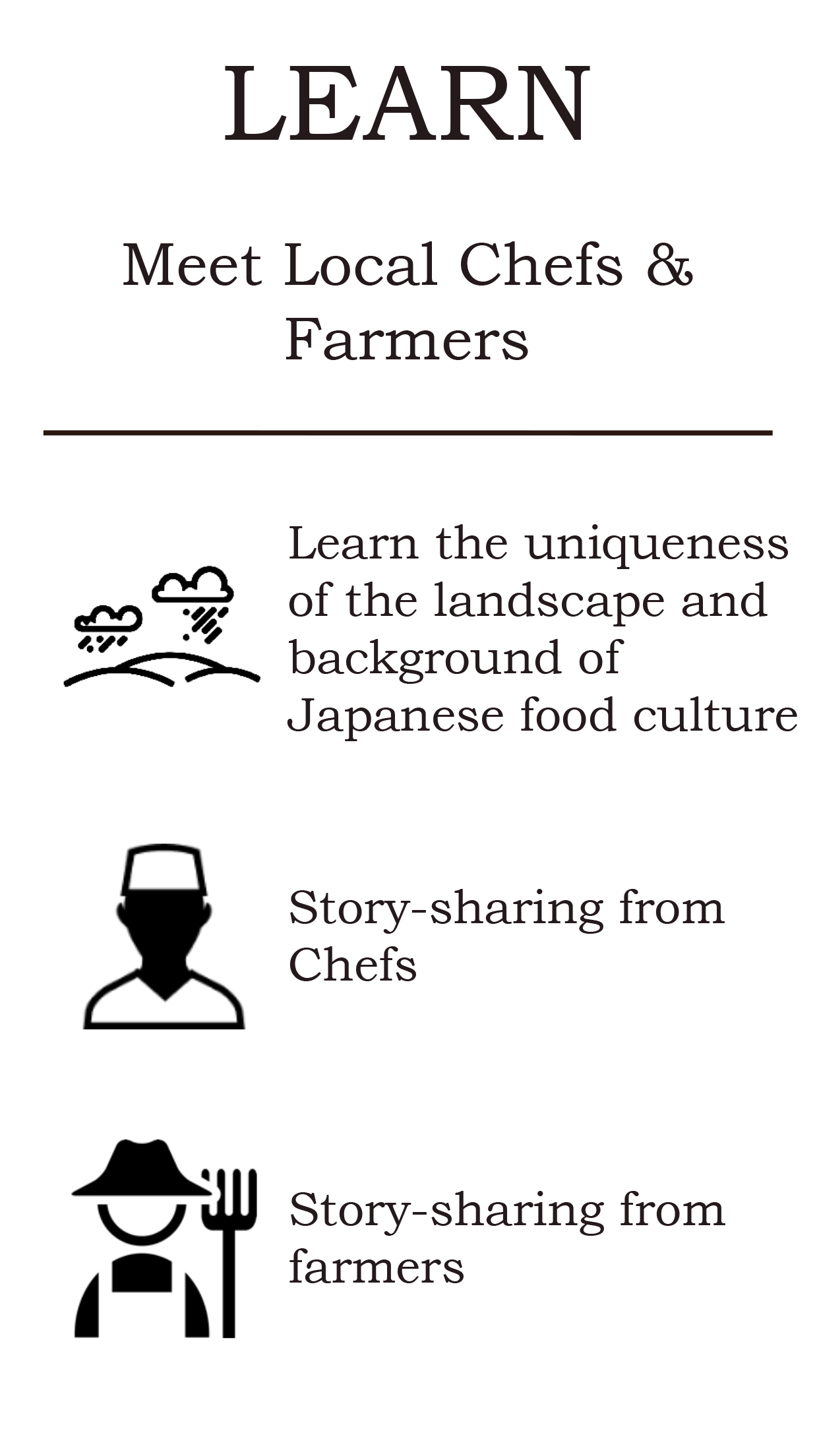
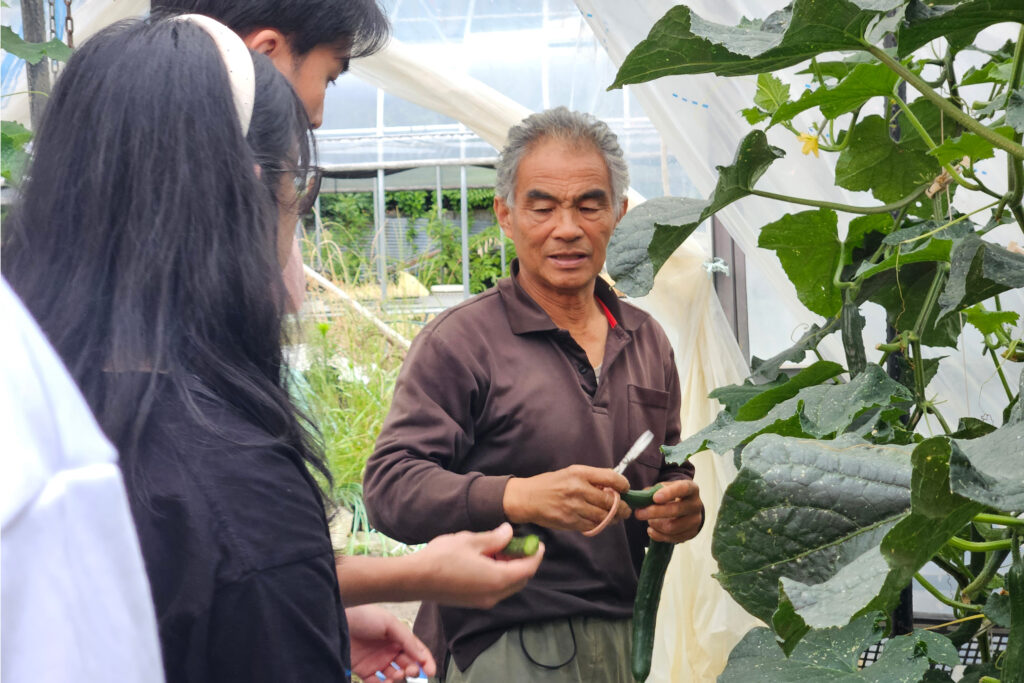
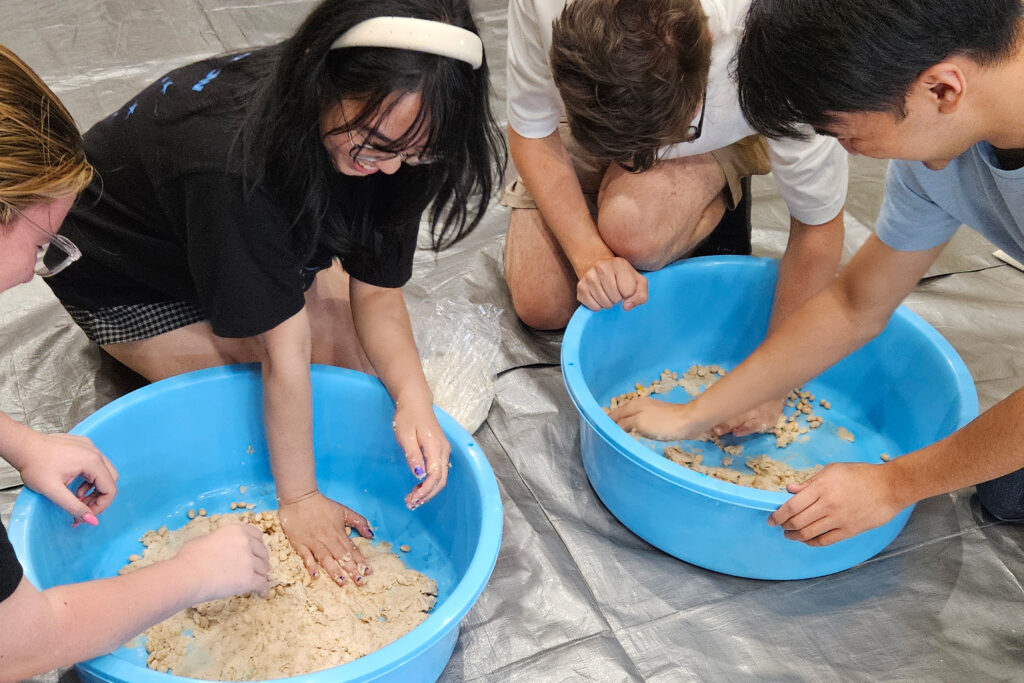
Workshops with farmers and seasoning producers
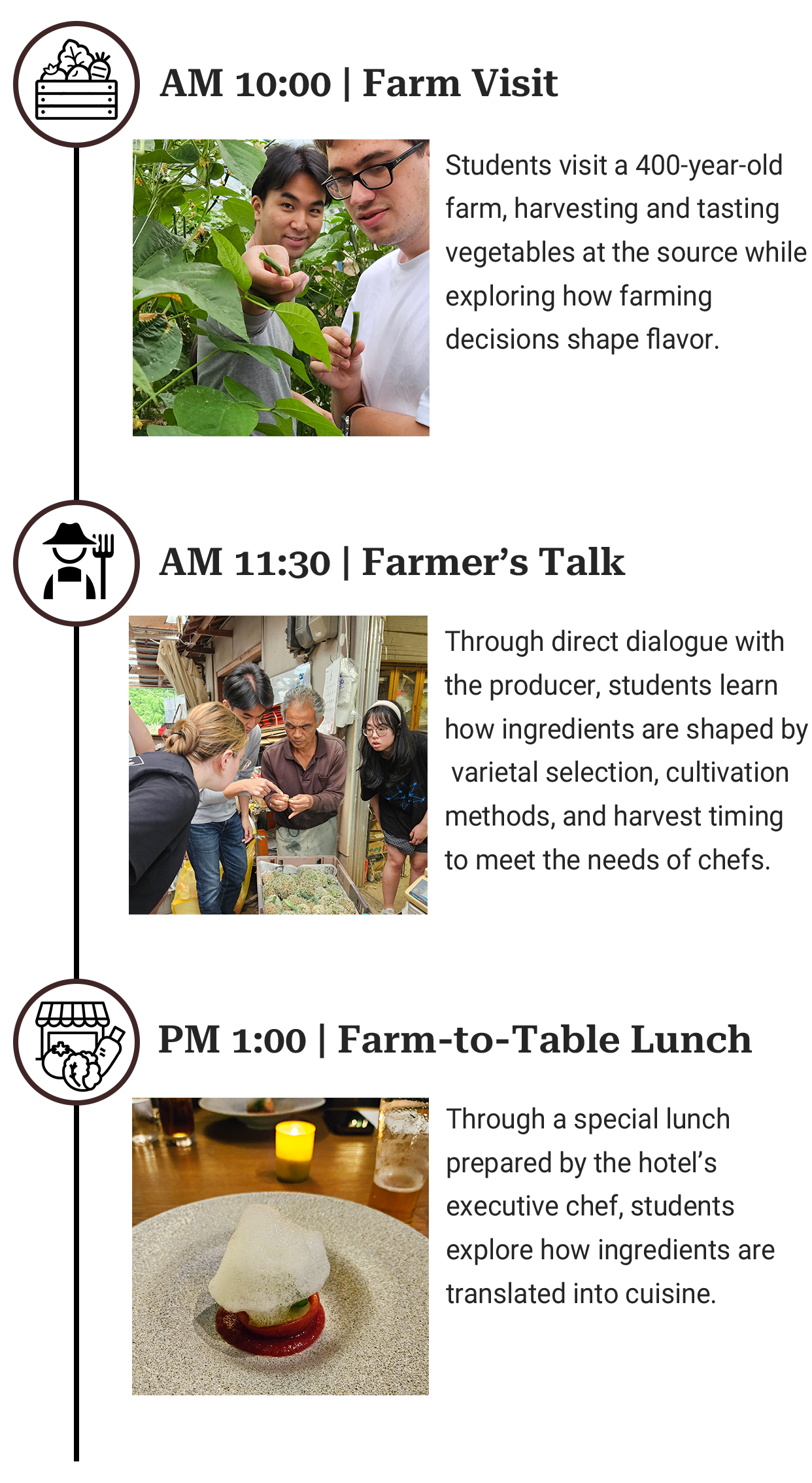
Visits to production sites supplying top kitchens
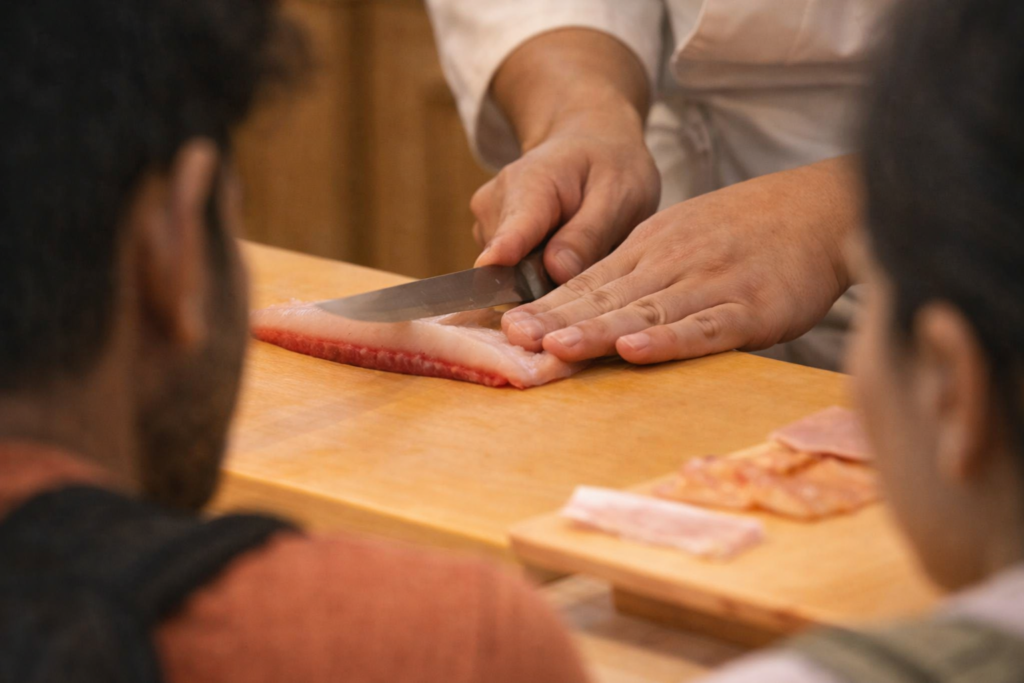
Observation of professional kitchen environments
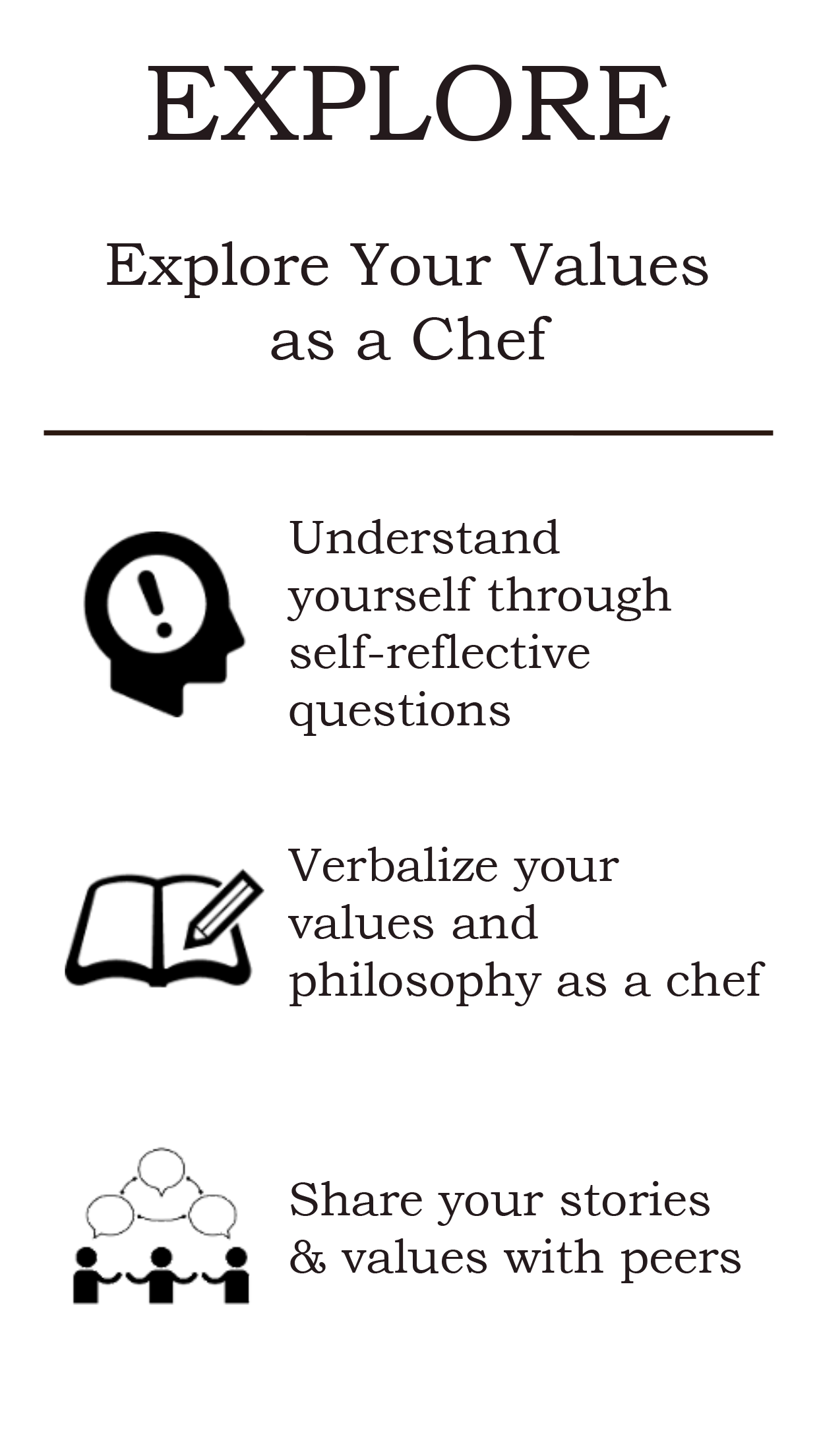
Direct discussions on standards, decision-making, and career paths
Students gain insight into:
How professionals define quality
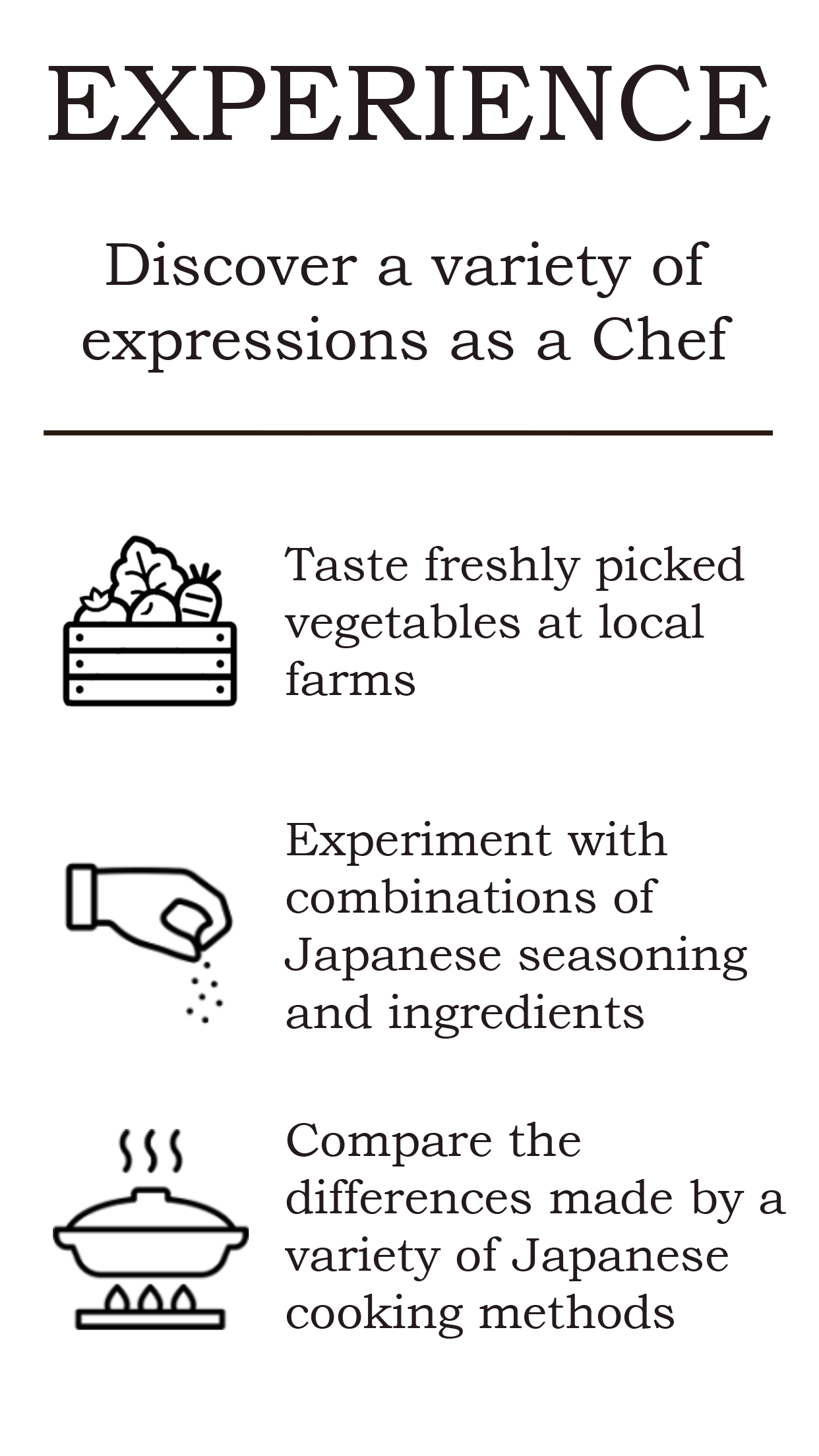
Ingredient selection and its impact
Standards and discipline in the industry
Focus: understanding how high-level cuisine is built—from sourcing to execution.
Key Elements
Key Activities
Chef & Master Profiles

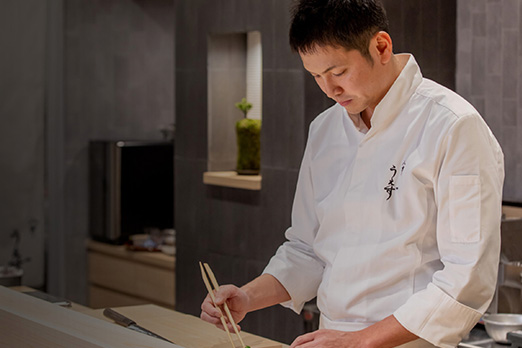
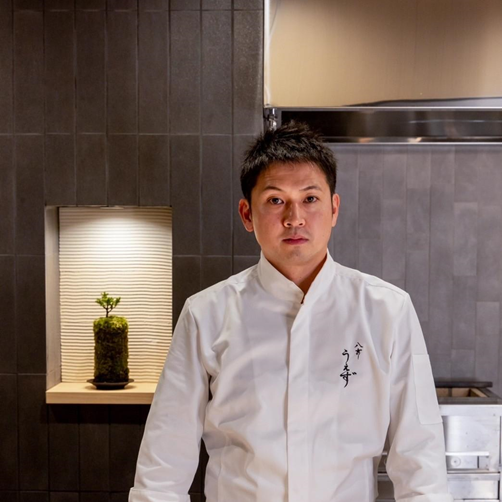
Chef Naoki Uezu | Yakumo Uezu
Chef Naoki Uezu honors the intrinsic character of each ingredient, expressing Okinawan heritage through refined kaiseki with meticulous seasoning and a strong sense of seasonality. A native of Okinawa, he trained for 16 years under three-Michelin-star chef Yoshihiro Murata at Kikunoi Tokyo, earning deep expertise in high-level Japanese cuisine before becoming Head Chef in 2017. In February 2021, he opened his own restaurant, Yakumo Uezu, which has since earned a Michelin star every year. By seamlessly integrating tradition and innovation, he continues to expand the cultural and gastronomic boundaries of Japanese cuisine.
Message from the Chef
Japanese cuisine is built on a deep respect for ingredients and the natural environment from which they come. It emphasizes balance, seasonality, and precision—bringing together taste, appearance, and texture to create a complete sensory experience.
We look forward to welcoming you and sharing how these principles are put into practice in our kitchens.

Chef Hiroshi Tsubouchi | Cucina Salve
Chef Hiroshi Tsubouchi pursues authentic Italian cuisine at the highest level, guided by the philosophy and precision of Japanese culinary tradition. He was awarded two toques in Gault & Millau 2022, the globally respected “Yellow Guide.” Beginning his culinary career at 19, he later specialized in Italian cuisine, obtaining a prestigious Italian culinary certification in 2017, formally recognizing his technical mastery and adherence to authentic techniques. He represented Japan at an official state banquet in the Republic of San Marino, further deepening his commitment to the essence of Italian gastronomy. In 2019, he opened Cucina Salve, where he showcases a farm-to-table approach centered on ingredients from his own organic farm.
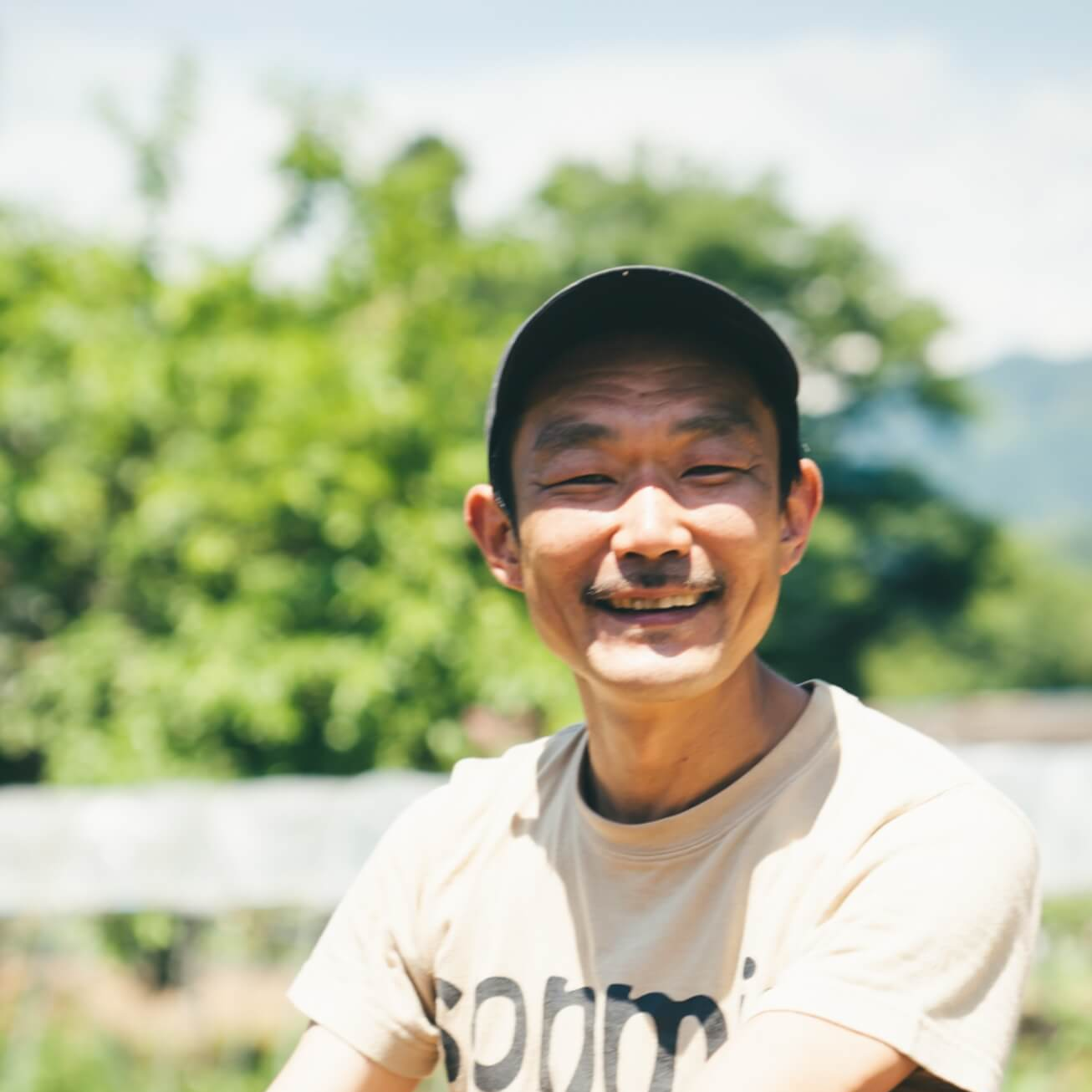
Mr. Masataka Higuchi | Higuchi Farm
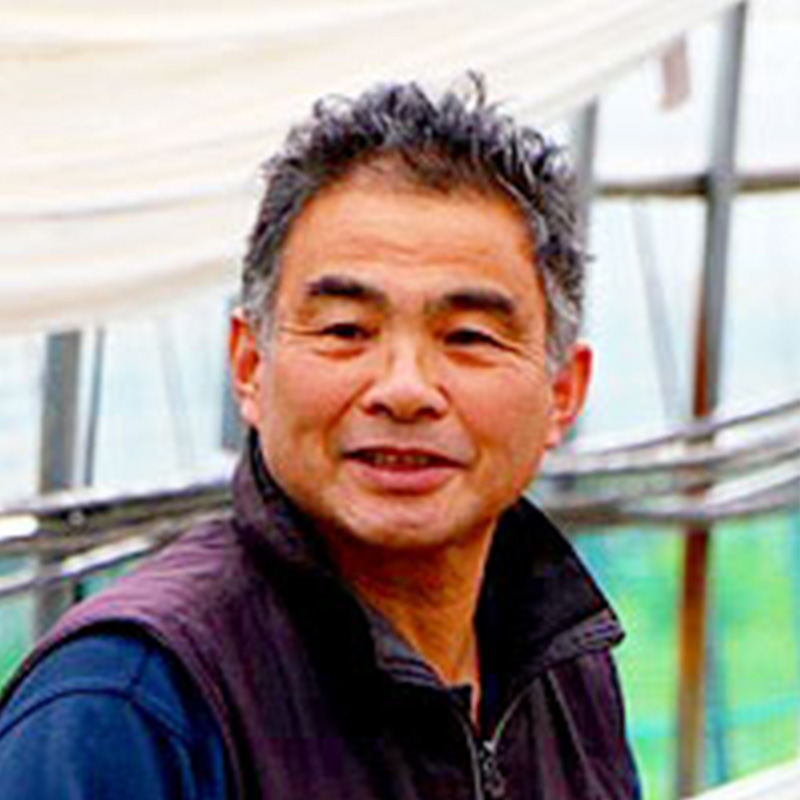
Higuchi Farm cultivates Kyo-yasai (traditional Kyoto vegetables) and seasonal produce, rooted in Kyoto’s unique terroir. Through carefully calibrated soil management tailored to each crop, the farm draws out the vegetables’ natural flavor, aroma, and vitality. Working closely with chefs, they fine-tune varietal selection and harvest timing to deliver produce at peak culinary readiness. With over 400 years of history and now led by its 15th generation, the farm’s philosophy is shaped by its legacy of supplying vegetables to the Imperial court—an enduring commitment to exceptional quality. Higuchi Farm maintains longstanding relationships with top-tier washoku establishments and Michelin-starred kitchens at the highest level.
Mr. Masatsugu Kato | Kato Shoten
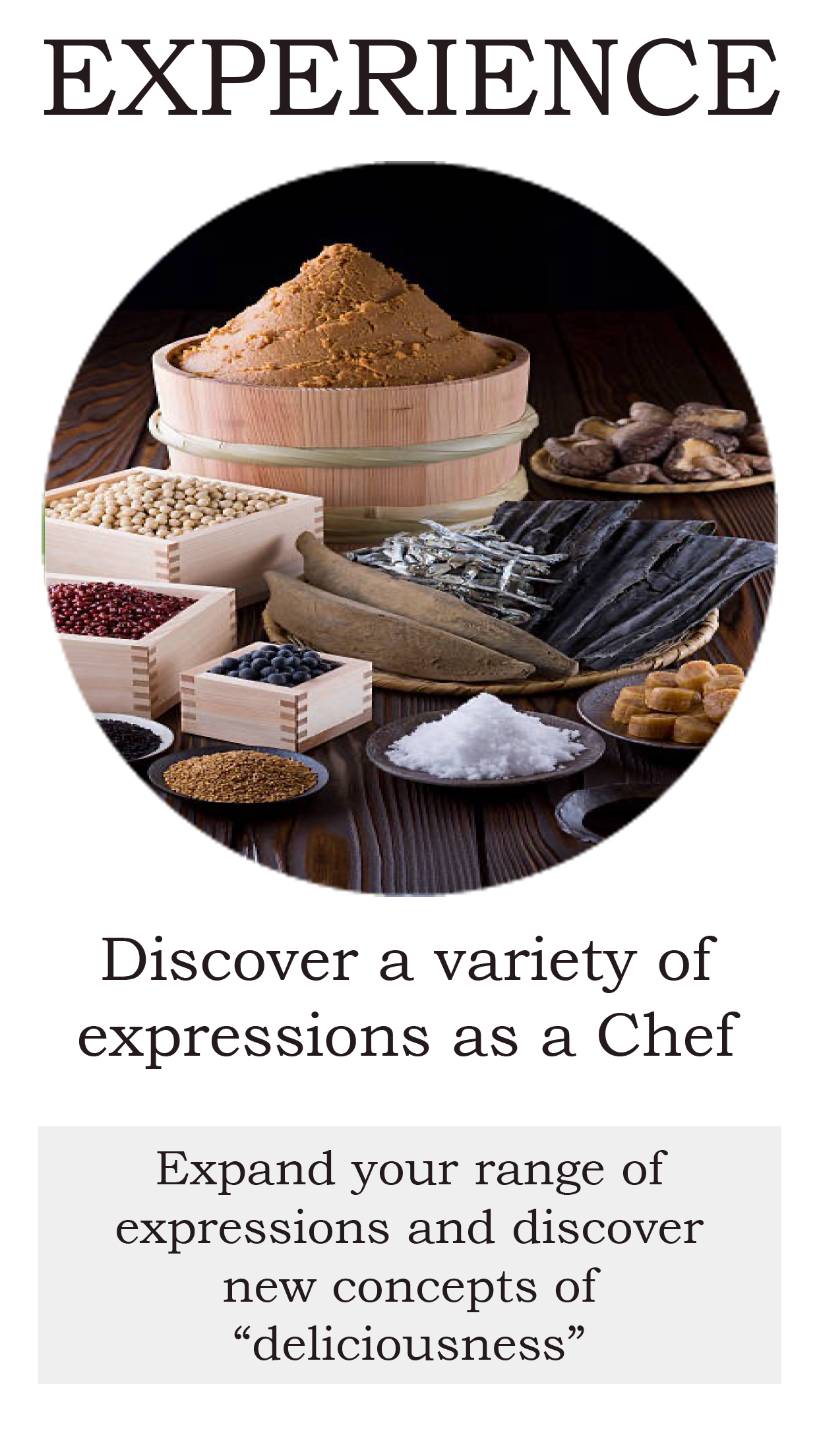
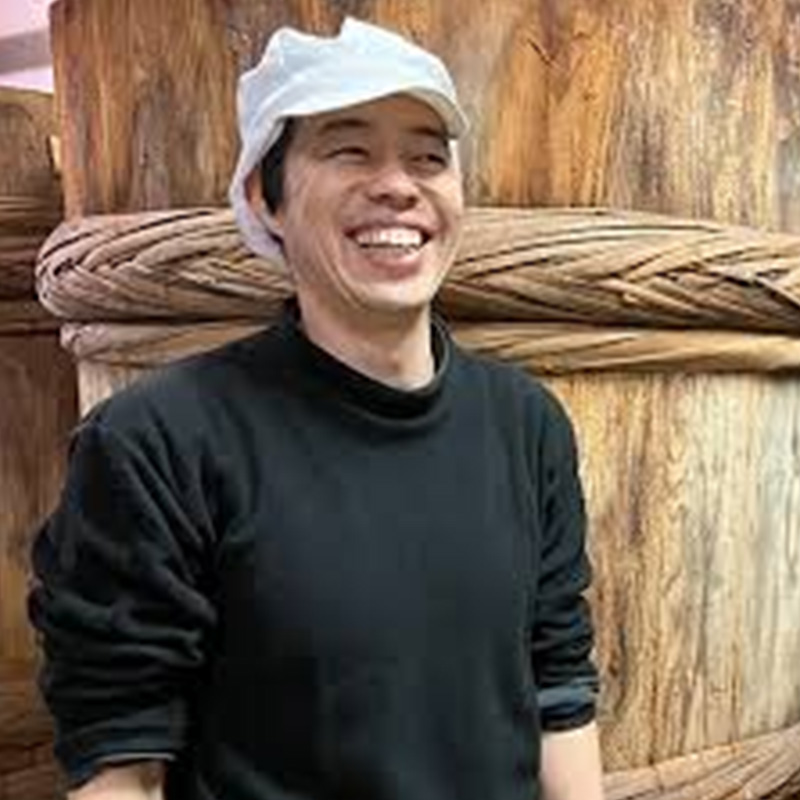
Founded in 1917 in Kyoto’s Nishijin district, Kato Shoten is a fourth-generation miso producer renowned for its artisanal craftsmanship. The brewery preserves traditional ita-koji (tray koji) techniques and natural fermentation in century-old wooden vats, emphasizing hand-crafted production and microbial integrity. Under fourth-generation producer Masatsugu Kato, the brewery continues to cultivate a distinct house character shaped by its resident microorganisms. Expanding beyond conventional ingredients such as rice, barley, and soybeans, Kato explores innovative fermentation practices. Their miso has been featured in some of the world’s leading restaurants, including exclusive use as a local seasoning at Noma.
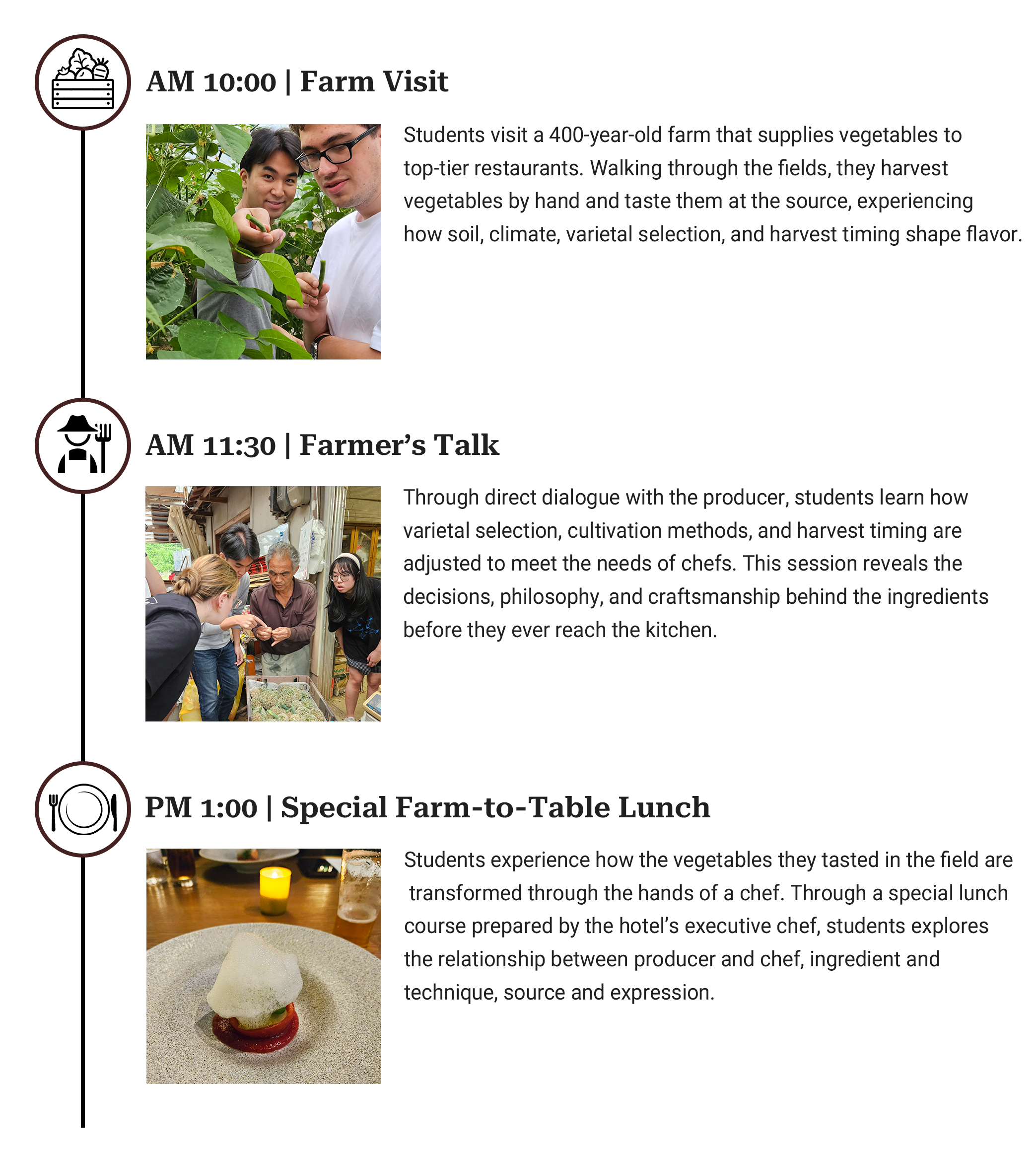
Inside the Program: A 3-Day Snapshot
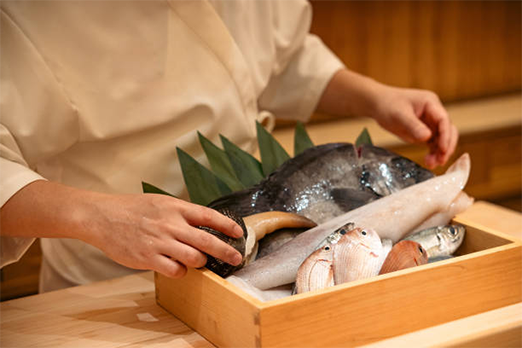
Day3: Ingredient & Producer Focus (Kyoto)
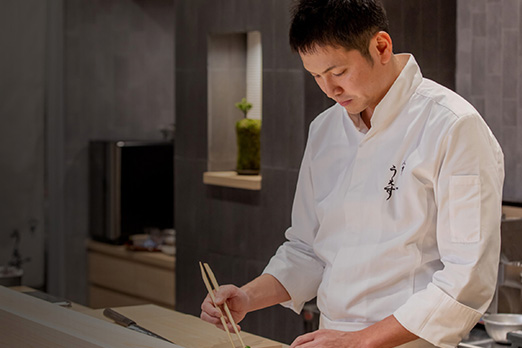
Day6: Inside of Micheline-Star Kitchen (Tokyo)
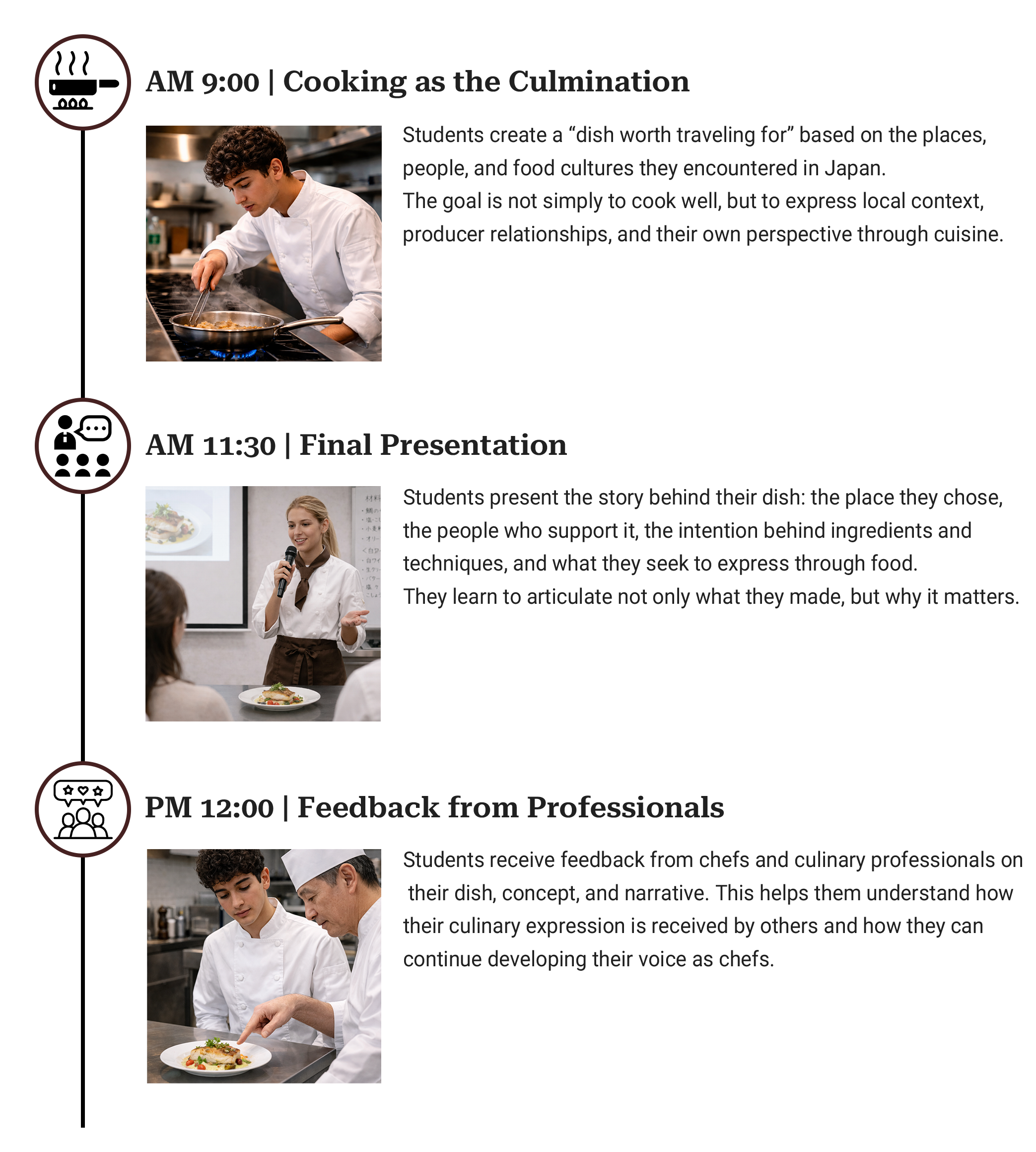
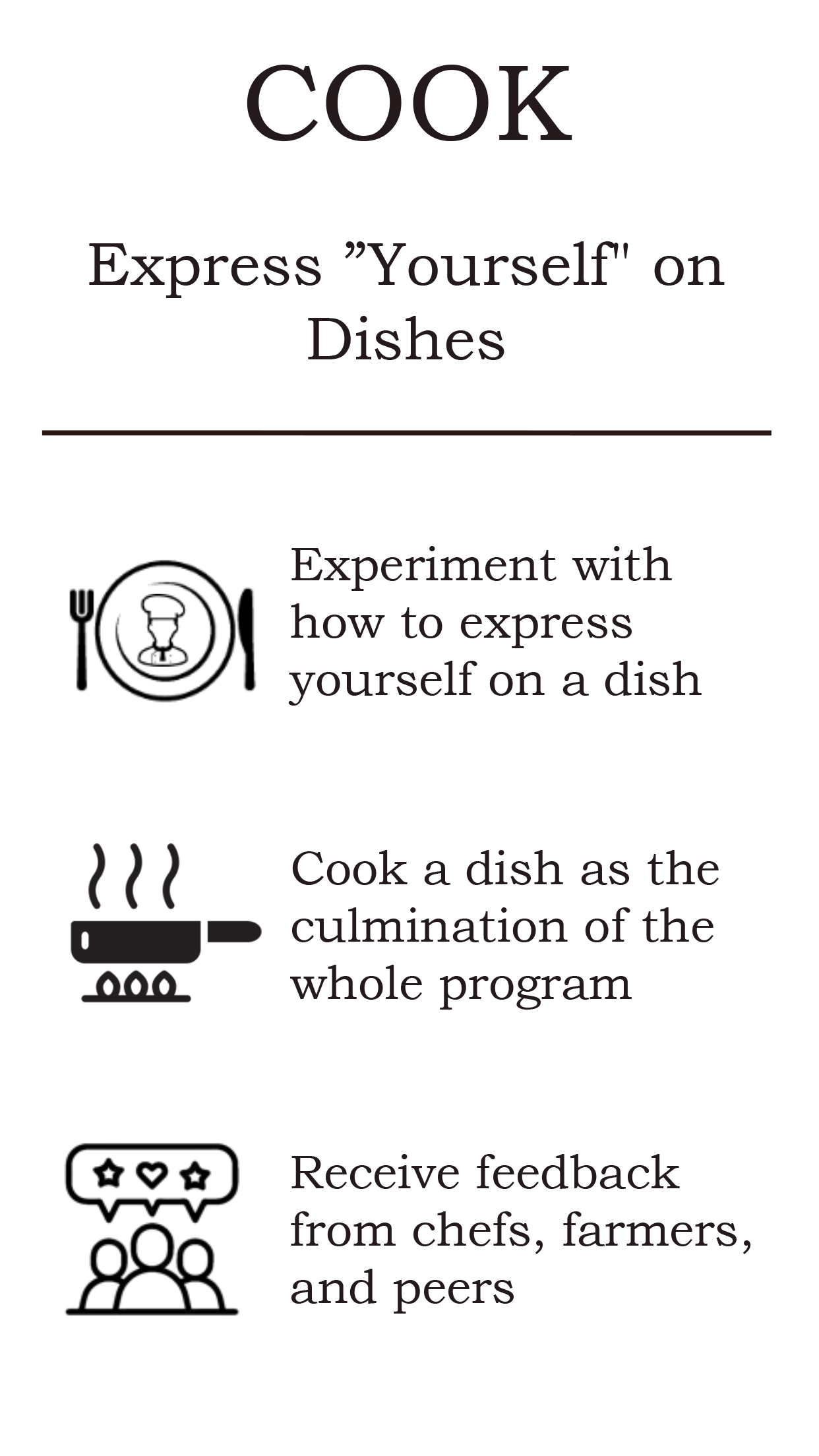
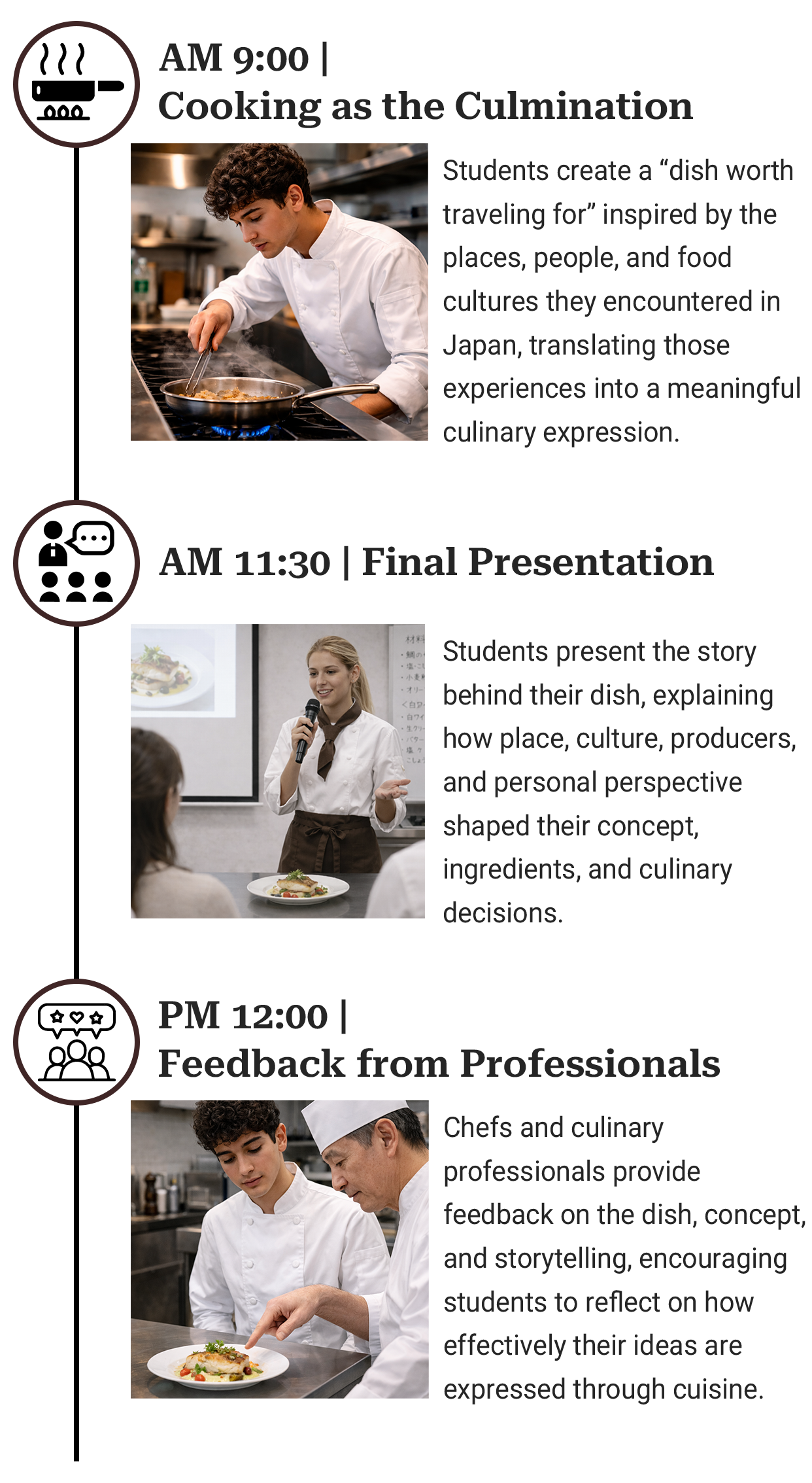
Final Day: Creation & Chef’s Feedback
Academic & Professional Value
Designed as experiential learning that complements formal culinary training.
Students gain:
Exposure to professional environments beyond entry-level roles
Applied understanding of sourcing and seasonality
Insight into high-level standards and workflows
Direct interaction with industry professionals
Learning Outcome
Students will:
Understand how high-level kitchens operate
Recognize the impact of sourcing and ingredient quality
Apply principles like seasonality and precision across cuisines
Gain insight into professional decision-making
Build confidence engaging with industry professionals
Learning Management and Student Safety
This program is taught in English. All the activities and workshops will be in English, and all the communication with and from the Japanese-speaking chefs and other professionals will be translated into English. The program facilitator is fluent in both English and Japanese.
Student wellbeing and operational reliability are central to the program.
- 24/7 Supervision
Students are accompanied by trained facilitators throughout the program. - Low Staff-to-Student Ratio
Small group sizes ensure close supervision and personalized support. - Professional Logistical Coordination
Accommodation, transportation, and scheduling are managed by the TABIBITO team to ensure a smooth and safe experience.
Contact us
Gain direct access to chefs and producers shaping high-level cuisine—and understand how it is built, not just how it is cooked.
Through real environments and professional dialogue, this program offers insight into the standards, decisions, and discipline behind exceptional culinary work.
From Source to Plate—Experience the Full Story of Japanese Cuisine
Access the level of cuisine
you are training for
The TABIBITO Culinary program is designed to extend formal culinary education into real-world, high-level culinary environments.
Based in Kyoto and Tokyo, students engage directly with Michelin-level chefs and leading producers to understand how cuisine is executed, sourced, and refined at a professional standard.
While grounded in Japan, the program is not focused on teaching Japanese cuisine as a set of techniques. Instead, it introduces students to core culinary principles—such as respect for ingredients, seasonality, and precision—that are applicable across all cuisines and professional kitchens.


Program Overview
Location: Kyoto & Tokyo, Japan
Length: 10 days
A field-based program combining chef sessions, producer workshops, and site visits. Students gain direct exposure to high-level culinary environments and ingredient-driven practices.


Program Experience
Students learn through direct access and interaction:
Sessions with Michelin-star chefs and a Gault & Millau-awarded chef
Workshops with farmers and seasoning producers
Visits to production sites supplying top kitchens
Observation of professional kitchen environments
Direct discussions on standards, decision-making, and career paths
Students gain insight into:
How professionals define quality
Ingredient selection and its impact
Standards and discipline in the industry
Focus: understanding how high-level cuisine is built—from sourcing to execution.


Key Elements


Key Activities


Chef & Master Profiles

Chef Naoki Uezu |
Yakumo Uezu
Chef Naoki Uezu honors the intrinsic character of each ingredient, expressing Okinawan heritage through refined kaiseki with meticulous seasoning and a strong sense of seasonality. A native of Okinawa, he trained for 16 years under three-Michelin-star chef Yoshihiro Murata at Kikunoi Tokyo, earning deep expertise in high-level Japanese cuisine before becoming Head Chef in 2017. In February 2021, he opened his own restaurant, Yakumo Uezu, which has since earned a Michelin star every year. By seamlessly integrating tradition and innovation, he continues to expand the cultural and gastronomic boundaries of Japanese cuisine.
Message from the Chef
Japanese cuisine is built on a deep respect for ingredients and the natural environment from which they come. It emphasizes balance, seasonality, and precision—bringing together taste, appearance, and texture to create a complete sensory experience.
We look forward to welcoming you and sharing how these principles are put into practice in our kitchens.

Chef Hiroshi Tsubouchi |
Cucina Salve
Chef Hiroshi Tsubouchi pursues authentic Italian cuisine at the highest level, guided by the philosophy and precision of Japanese culinary tradition. He was awarded two toques in Gault & Millau 2022, the globally respected “Yellow Guide.” Beginning his culinary career at 19, he later specialized in Italian cuisine, obtaining a prestigious Italian culinary certification in 2017, formally recognizing his technical mastery and adherence to authentic techniques. He represented Japan at an official state banquet in the Republic of San Marino, further deepening his commitment to the essence of Italian gastronomy. In 2019, he opened Cucina Salve, where he showcases a farm-to-table approach centered on ingredients from his own organic farm.

Mr. Masataka Higuchi |
Higuchi Farm
Higuchi Farm cultivates Kyo-yasai (traditional Kyoto vegetables) and seasonal produce, rooted in Kyoto’s unique terroir. Through carefully calibrated soil management tailored to each crop, the farm draws out the vegetables’ natural flavor, aroma, and vitality. Working closely with chefs, they fine-tune varietal selection and harvest timing to deliver produce at peak culinary readiness. With over 400 years of history and now led by its 15th generation, the farm’s philosophy is shaped by its legacy of supplying vegetables to the Imperial court—an enduring commitment to exceptional quality. Higuchi Farm maintains longstanding relationships with top-tier washoku establishments and Michelin-starred kitchens at the highest level.

Mr. Masatsugu Kato |
Kato Shoten
Founded in 1917 in Kyoto’s Nishijin district, Kato Shoten is a fourth-generation miso producer renowned for its artisanal craftsmanship. The brewery preserves traditional ita-koji (tray koji) techniques and natural fermentation in century-old wooden vats, emphasizing hand-crafted production and microbial integrity. Under fourth-generation producer Masatsugu Kato, the brewery continues to cultivate a distinct house character shaped by its resident microorganisms. Expanding beyond conventional ingredients such as rice, barley, and soybeans, Kato explores innovative fermentation practices. Their miso has been featured in some of the world’s leading restaurants, including exclusive use as a local seasoning at Noma.
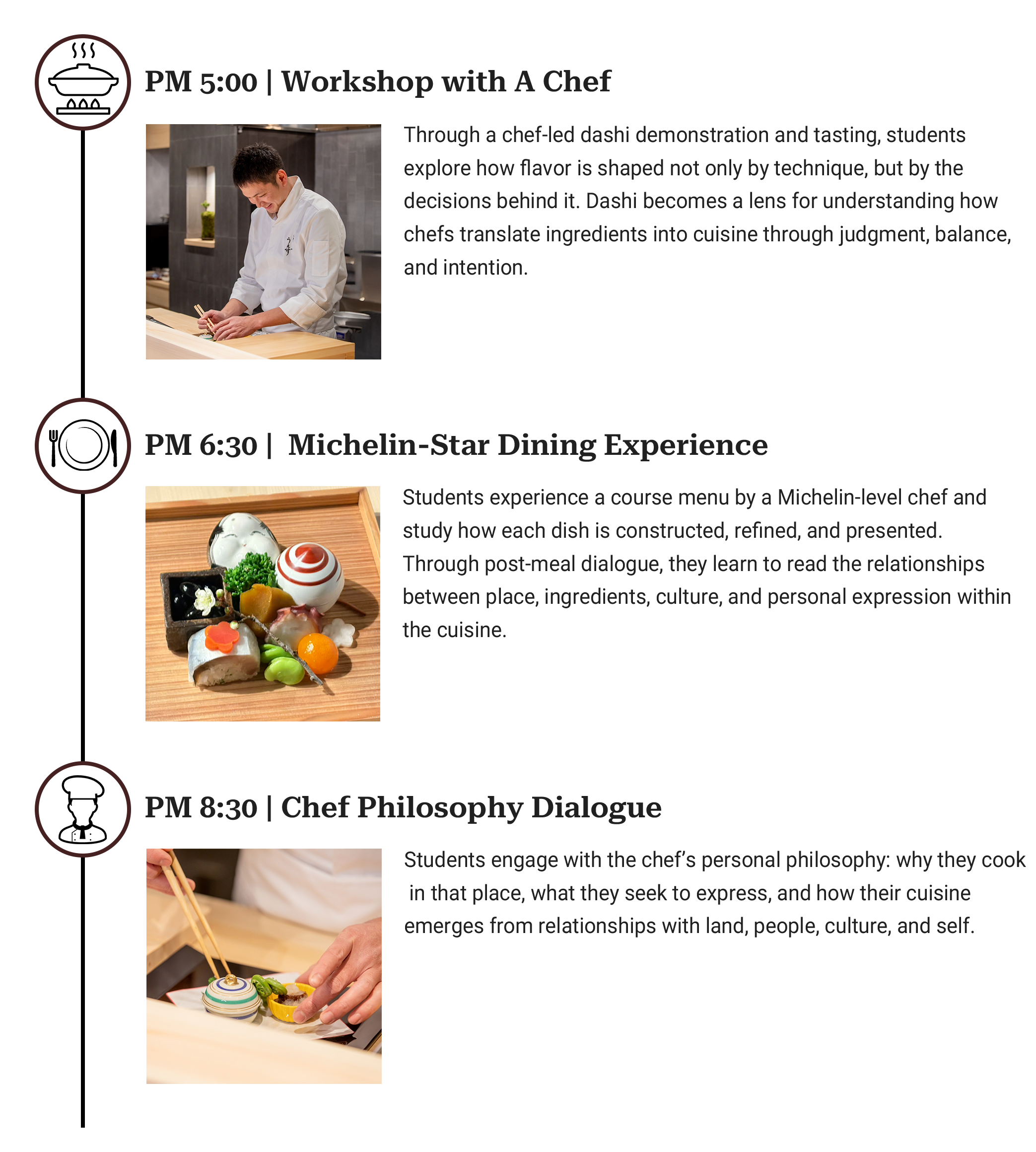
Inside the Program:
A 3-Day Snapshot
Day3: Ingredient &
Producer Focus (Kyoto)
Day6: Inside of
Micheline-Star Kitchen (Tokyo)
Final Day:
Creation & Chef’s Feedback
Academic &
Professional Value
Designed as experiential learning that complements formal culinary training.
Students gain:
Exposure to professional environments beyond entry-level roles
Applied understanding of sourcing and seasonality
Insight into high-level standards and workflows
Direct interaction with industry professionals
Learning Outcome
Students will:
Understand how high-level kitchens operate
Recognize the impact of sourcing and ingredient quality
Apply principles like seasonality and precision across cuisines
Gain insight into professional decision-making
Build confidence engaging with industry professionals
Learning Management and Student Safety
This program is taught in English. All the activities and workshops will be in English, and all the communication with and from the Japanese-speaking chefs and other professionals will be translated into English. The program facilitator is fluent in both English and Japanese.
Student wellbeing and operational reliability are central to the program.
- 24/7 Supervision
Students are accompanied by trained facilitators throughout the program. - Low Staff-to-Student Ratio
Small group sizes ensure close supervision and personalized support. - Professional Logistical Coordination
Accommodation, transportation, and scheduling are managed by the TABIBITO team to ensure a smooth and safe experience.
Contact us
Gain direct access to chefs and producers shaping high-level cuisine—and understand how it is built, not just how it is cooked.
Through real environments and professional dialogue, this program offers insight into the standards, decisions, and discipline behind exceptional culinary work.